Seasonal planning is far more than simply noting the change of weather; it is a critical discipline rooted in science, data analysis, and predictive modeling. From agricultural cycles millennia ago to modern retail forecasting and marketing campaigns, the ability to anticipate and adapt to cyclical changes is a cornerstone of efficiency and success. This article delves into the core scientific principles that govern seasonal shifts and explains how businesses and individuals can leverage this knowledge to optimize their operations and maximize resource allocation.
The Astronomical Foundation: Understanding the Seasons
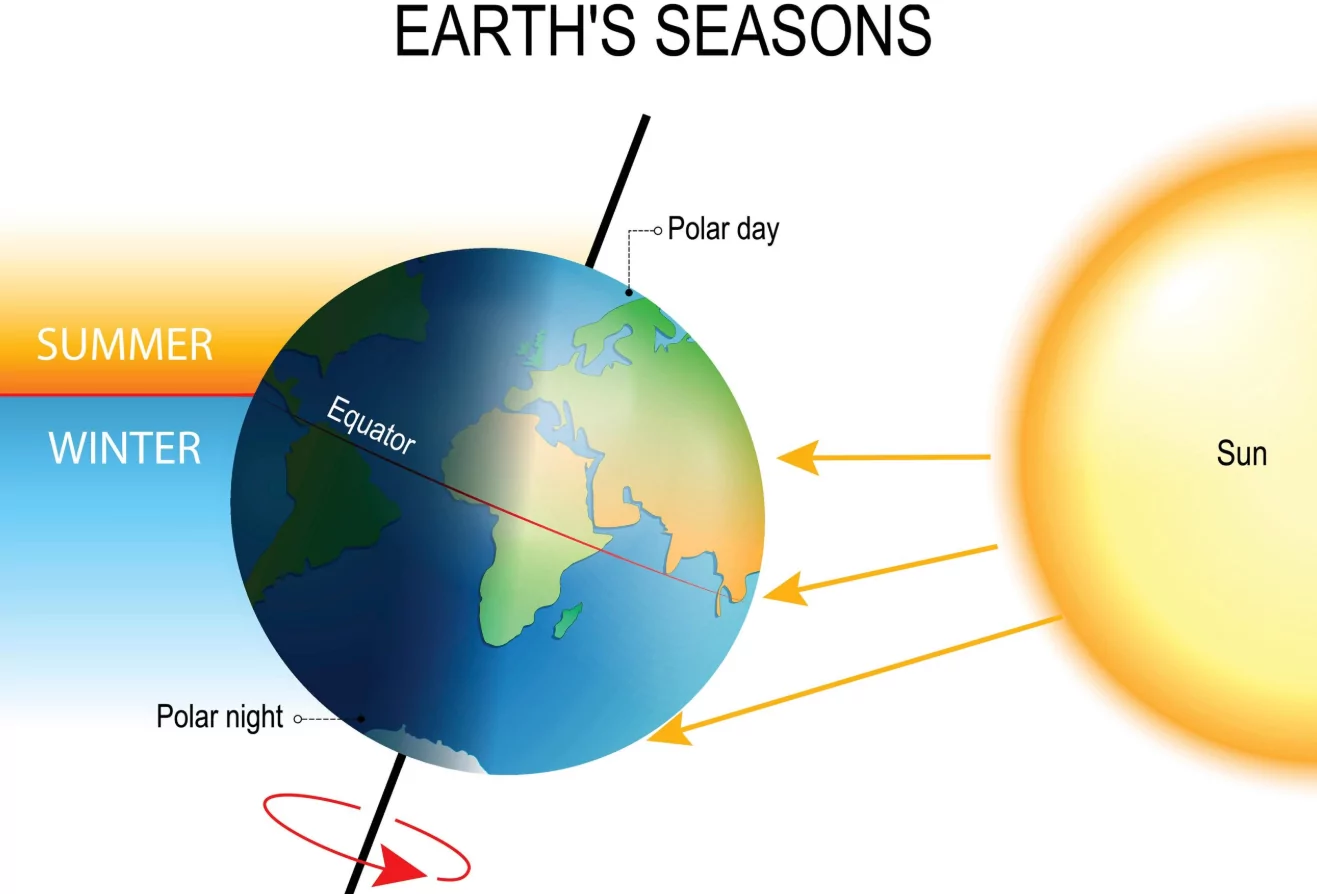
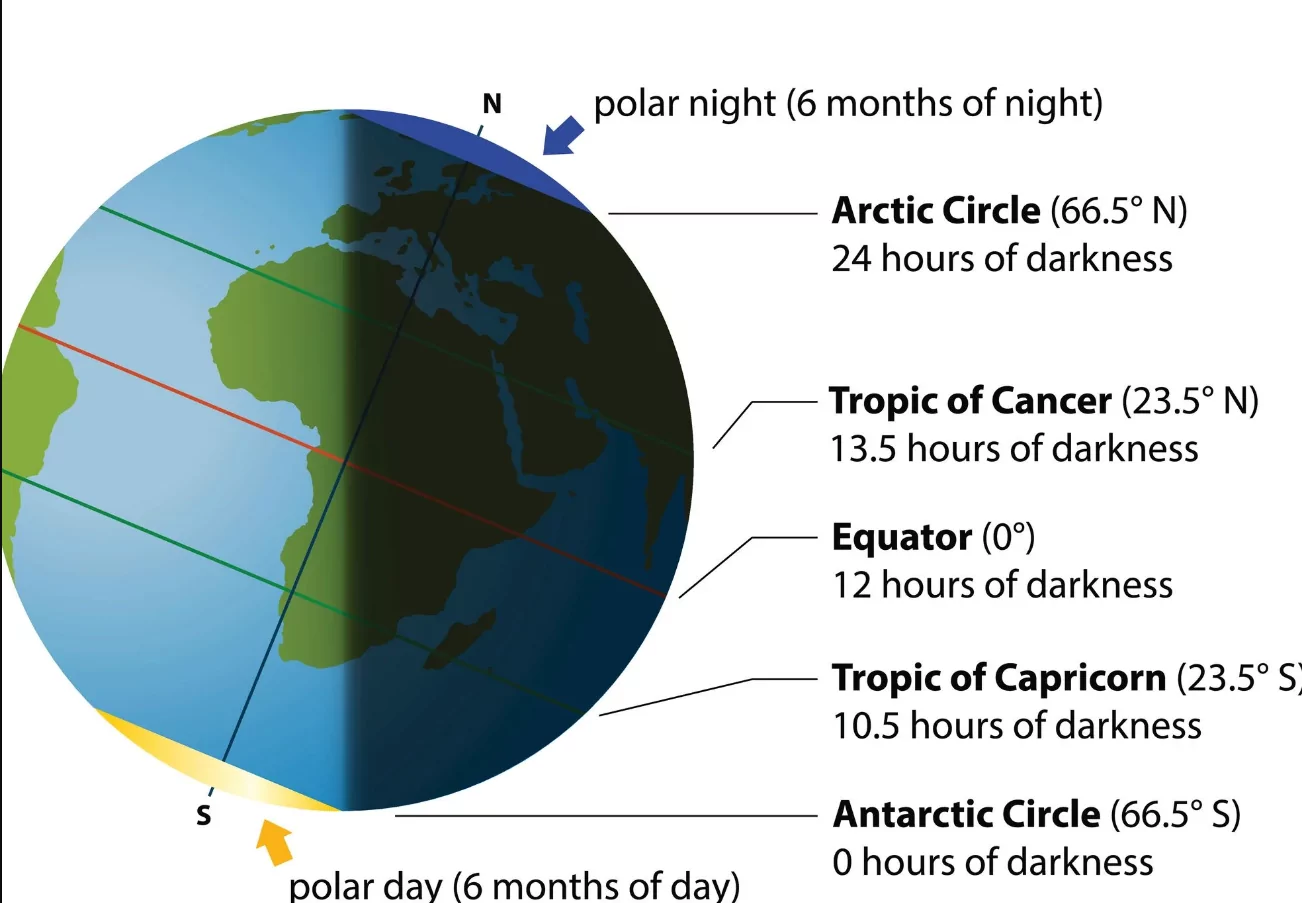
The science of seasonal planning begins with the mechanics of the Earth itself. Seasons are not caused by changes in our planet’s distance from the Sun—in fact, the Earth is closest to the Sun (perihelion) during the Northern Hemisphere’s winter. Instead, seasons are defined by the axial tilt of the Earth’s rotational axis, which is approximately $23.5^{\circ}$ relative to its orbital plane.
- Solstices and Equinoxes: These four astronomical markers are the bedrock of seasonal division. The solstices (around June 21st and December 21st) mark the maximum tilt of the Earth toward or away from the Sun, resulting in the longest and shortest days. The equinoxes (around March 20th and September 23rd) occur when the tilt is neither toward nor away from the Sun, resulting in nearly equal day and night length globally.
- Solar Energy Distribution: The tilt changes the angle at which sunlight hits the Earth’s surface. When an area is tilted toward the Sun, solar energy is concentrated (summer), leading to warmer temperatures. When tilted away, energy is diffused (winter). This variation drives all subsequent seasonal changes.
Understanding these celestial mechanics provides the macro-framework for all seasonal planning, establishing predictable dates for shifts in temperature, daylight hours, and weather patterns.
Ecological and Meteorological Planning Cycles
Beyond the astronomical dates, two vital planning cycles stem directly from the seasons: ecology (phenology) and meteorology.
Phenology: The Timing of Life
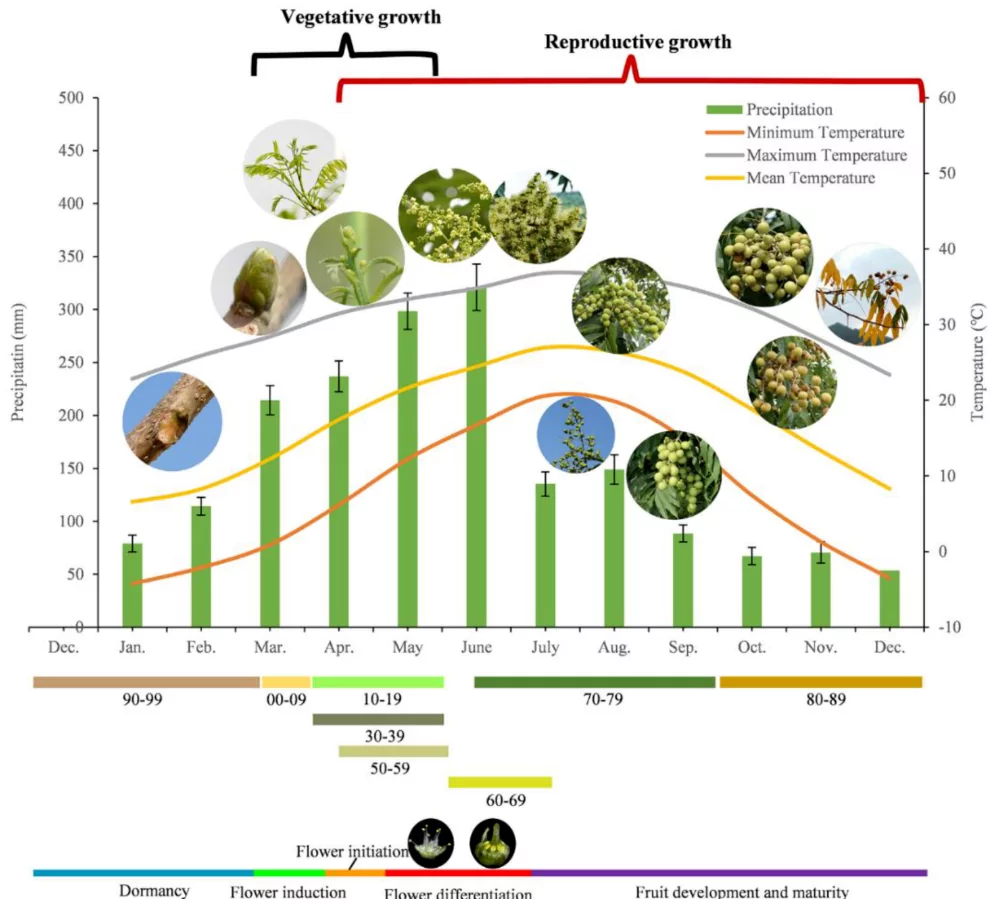
Phenology is the study of cyclical and seasonal natural phenomena, especially in relation to climate and plant and animal life. For ancient and agricultural societies, phenology was the primary method of planning. Key phenological events include the blooming of specific flowers, the migration of birds, and the leafing out of trees. For example, the optimal planting date for a crop is determined not by the calendar, but by the soil temperature and the duration of frost-free days.
In modern planning, phenological data informs sectors like: agriculture (harvest and planting schedules), tourism (wildlife viewing seasons), and public health (the timing of allergy seasons and insect-borne disease risks).
Meteorological Planning and Forecasting
Meteorological seasons, often defined by three-month periods (e.g., December-January-February for winter in the Northern Hemisphere), are based on the annual temperature cycle. Modern seasonal planning relies heavily on advanced meteorological forecasting, utilizing complex climate models and historical weather data to predict medium- to long-range patterns.
- Energy Sector: Predicts seasonal heating and cooling demand based on expected temperature anomalies.
- Construction: Schedules outdoor work around predictable periods of rainfall, frost, or extreme heat.
- Supply Chain: Anticipates disruption risks (e.g., monsoon rains, hurricanes) and pre-positions inventory.
The Data Science of Business Seasonality
In the business world, seasonal planning translates into the analysis of time series data to identify and predict recurring spikes and troughs in sales, demand, and consumer behavior. This is often the most critical component of a company’s operational strategy.
Decomposition of Time Series Data
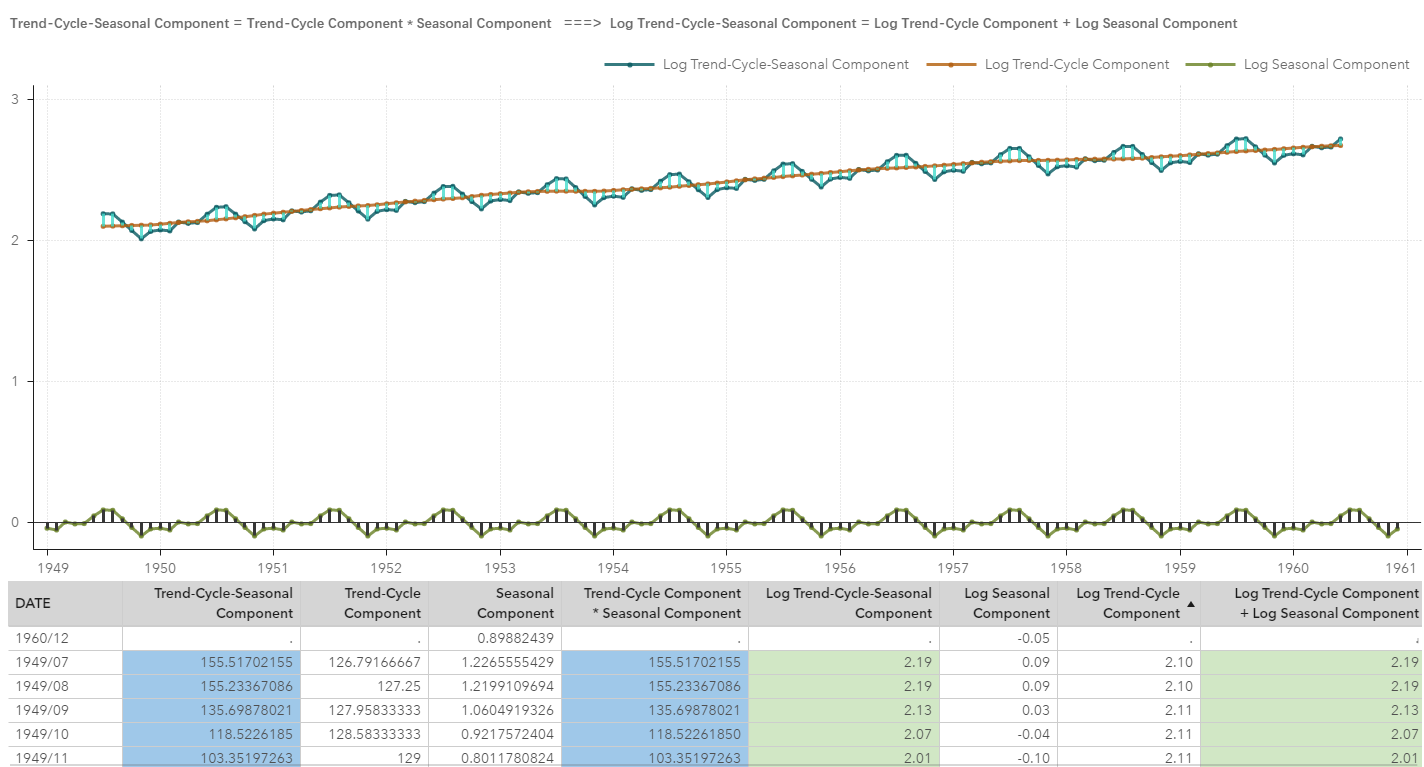
Data scientists use statistical methods to decompose sales data into three core components:
- Trend: The long-term direction of the data (e.g., overall market growth).
- Cycle: Fluctuations that repeat over several years (e.g., economic recessions).
- Seasonality: Patterns that repeat within a single year (e.g., ice cream sales peaking in summer, toy sales peaking in December).
Accurate isolation of the Seasonality component allows businesses to create reliable forecasts for inventory, staffing, and budget allocation. Common models used include ARIMA (Autoregressive Integrated Moving Average) and Exponential Smoothing techniques, which are fine-tuned to dampen random noise and isolate the true cyclical pattern.
Optimizing Inventory and Supply Chain
Seasonal demand forecasting directly determines Economic Order Quantity (EOQ) and inventory levels. Poor seasonal planning results in either stockouts (lost sales during peak season) or excess inventory (high carrying costs and markdowns during off-season). Scientific seasonal planning allows companies to:
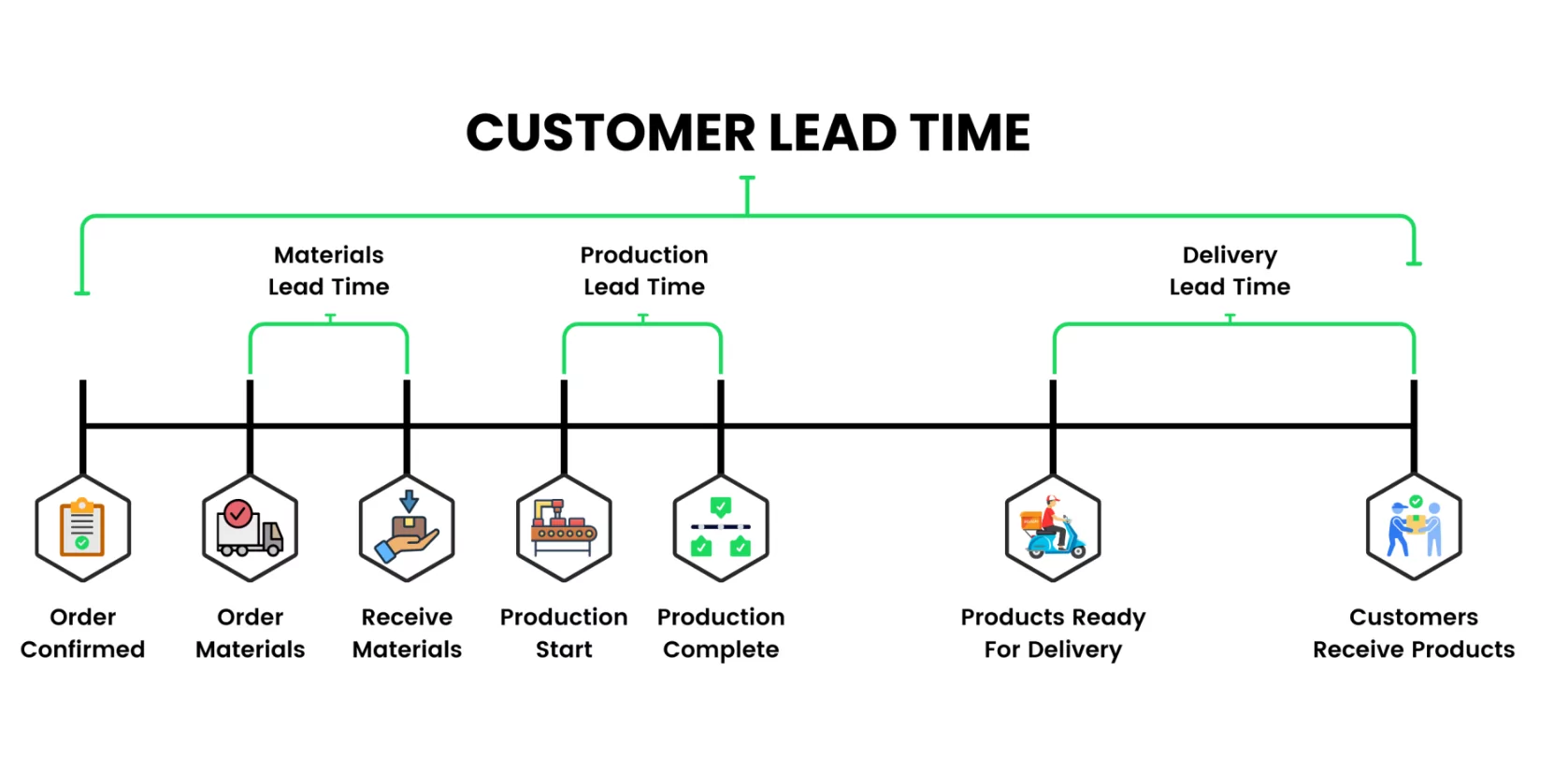
- Ramp Up Production: Start manufacturing seasonal items well in advance, utilizing cheaper off-peak labor and raw material costs.
- Warehouse Allocation: Strategically shift goods to regional distribution centers based on expected localized peak demand (e.g., moving ski equipment north in autumn).
- Pricing Strategy: Implement dynamic pricing models that anticipate consumer willingness to pay higher prices during peak demand windows.
Advanced Forecasting: Incorporating External Factors
Modern seasonal planning goes beyond just internal historical data. True predictive power comes from integrating external data sets, leading to more robust models.
The Role of Machine Learning (ML)
Machine Learning algorithms, particularly those based on **Neural Networks** and gradient boosting frameworks like **Prophet** (developed by Meta), can analyze thousands of variables simultaneously. These models can incorporate:
- Macroeconomic Data: Interest rates, inflation, and consumer confidence indices.
- Competitor Activity: Historical promotional schedules of key market rivals.
- Web Search Trends: Real-time changes in consumer interest (e.g., Google Trends data for “swimming pool” searches often precede actual sales).
By using regression analysis with these external variables, ML models can isolate the seasonal effect from other influences, making forecasts significantly more accurate than traditional statistical methods.
Analyzing Macro-Climate Oscillations
For sectors sensitive to weather (agriculture, insurance, energy), seasonal planning must factor in major, multi-year climate phenomena. The El Niño-Southern Oscillation (ENSO), for example, dramatically impacts weather globally. Forecasting the phase of ENSO (El Niño, La Niña, or Neutral) six months in advance can critically inform decisions, such as a utility company planning for a milder-than-average winter (lower heating demand) or a farmer anticipating a severe drought.
The Psychology and Cultural Seasonality
Seasonality is not only physical and economic; it is deeply psychological and cultural. Human behavior, influenced by holidays, traditional observances, and even the amount of daylight, creates predictable demand patterns.
The Holiday Effect
Major cultural and religious holidays (Christmas, Diwali, Chinese New Year, Ramadan) create massive, predictable spikes in demand for specific goods and services. Seasonal planning here involves detailed event-based forecasting, often tracking demand down to the week leading up to the holiday.
Consumer Behavior and Daylight
The shorter days of winter correlate with increased indoor activities, driving up demand for entertainment, home improvement supplies, and comfort foods. Conversely, the longer days of summer drive demand for outdoor gear, travel, and leisure activities. Marketing and advertising campaigns are carefully seasonally timed to hit consumers precisely when their underlying psychological needs shift with the environment.
Adapting to a Changing Climate: The Future of Seasonal Planning
The greatest modern challenge to seasonal planning is climate change. While the astronomical seasons remain constant, the meteorological and phenological seasons are becoming increasingly unpredictable, introducing volatility into long-established cycles.
Increasing Volatility and Risk Management
Rising global temperatures mean that “peak seasons” for certain products (like air conditioning units or winter coats) are shifting earlier or later, or are becoming shorter but more intense. For seasonal planners, this necessitates a shift from reliance on long-term historical averages to **real-time risk modeling**.
- Insurance and Disaster Planning: Must recalibrate seasonal models for hurricane, wildfire, and flood seasons, which are now longer and more destructive.
- Agricultural Buffer Zones: Farmers must plan for “false springs” and unpredictable frost events that threaten early crops.
- Retail Flexibility: Retailers need faster, more agile supply chains (often called **Fast Fashion** models) that can react to a sudden, unseasonable heatwave or cold snap, rather than relying on rigid, pre-season forecasts.
The Need for Dynamic Forecasting
The future of seasonal planning lies in dynamic forecasting—models that continuously self-correct using streaming data. Instead of updating a forecast quarterly, ML models are updated daily with new weather inputs, social media sentiment, and supply chain status, allowing organizations to adapt their staffing, pricing, and inventory in near real-time to sudden, climate-driven seasonal anomalies.
Conclusion: The Predictive Power of Cycles
The science of seasonal planning is a complex intersection of astronomy, meteorology, biology, statistics, and human psychology. It demonstrates that the greatest human efficiencies often come from aligning our artificial schedules and economic demands with the planet’s unchanging natural cycles.
Whether you are a farmer deciding when to sow, a retail manager planning inventory for the holiday rush, or an energy analyst forecasting power consumption, leveraging scientific data on seasonal patterns is the difference between reactive management and proactive optimization. By mastering the predictable rhythm of the seasons—and intelligently adapting to their growing unpredictability—individuals and organizations gain the predictive power necessary to thrive in a cyclical world, securing efficiency and reducing risk for the future