Seasonal planning is a massive, multi-billion dollar industry that affects everything from the price of your groceries to the availability of emergency medical supplies. While most people associate it with Black Friday sales or summer vacation bookings, the true science of planning around the Earth’s annual cycles involves a fascinating array of niche facts and complex scientific inputs. Moving past simple weather forecasting, this article uncovers some of the lesser-known, yet highly impactful, truths about seasonal planning in modern commerce, ecology, and technology.
The True Meaning of Meteorological Seasons
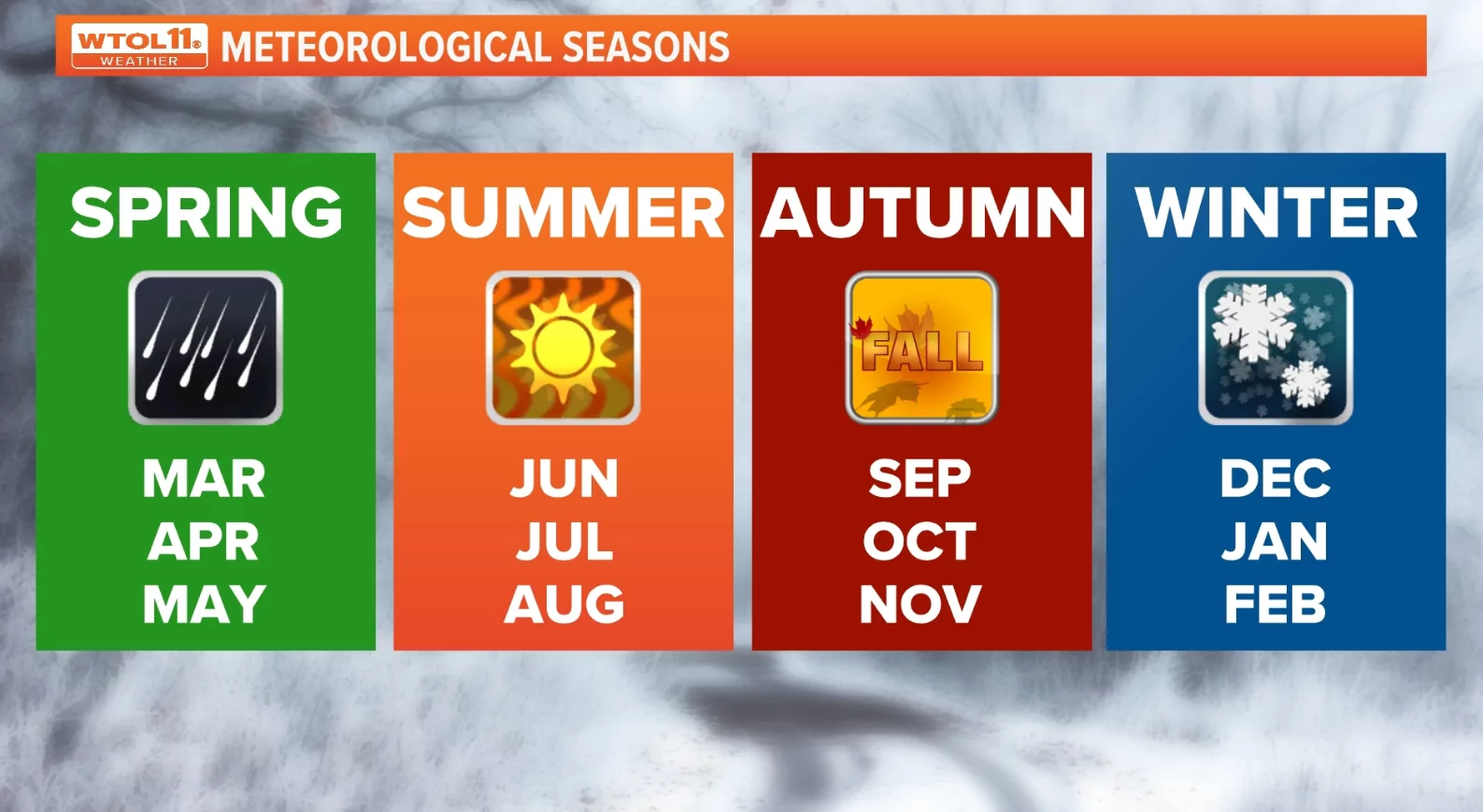
Most of us base our seasons on the astronomical events (solstices and equinoxes). However, for almost all operational planning, meteorologists and businesses use a different, less known system: the Meteorological Seasons .
- Fixed Three-Month Blocks: Meteorological seasons divide the year into four fixed three-month blocks to align with the annual temperature cycle, making data analysis much simpler. In the Northern Hemisphere, for instance, Meteorological Winter is consistently December 1st to February 28th/29th, Spring is March 1st to May 31st, and so on.
- Why it Matters: This system is essential for time series analysis in business and science because it removes the variability of the astronomical dates. Seasonal planning models (like ARIMA or SARIMA) rely on these fixed blocks to isolate the seasonal component of a trend accurately. Companies that fail to use this fixed block system often introduce noise into their sales and inventory forecasting models.
The Milankovitch Cycles: Earth’s Long-Term Seasonal Planner
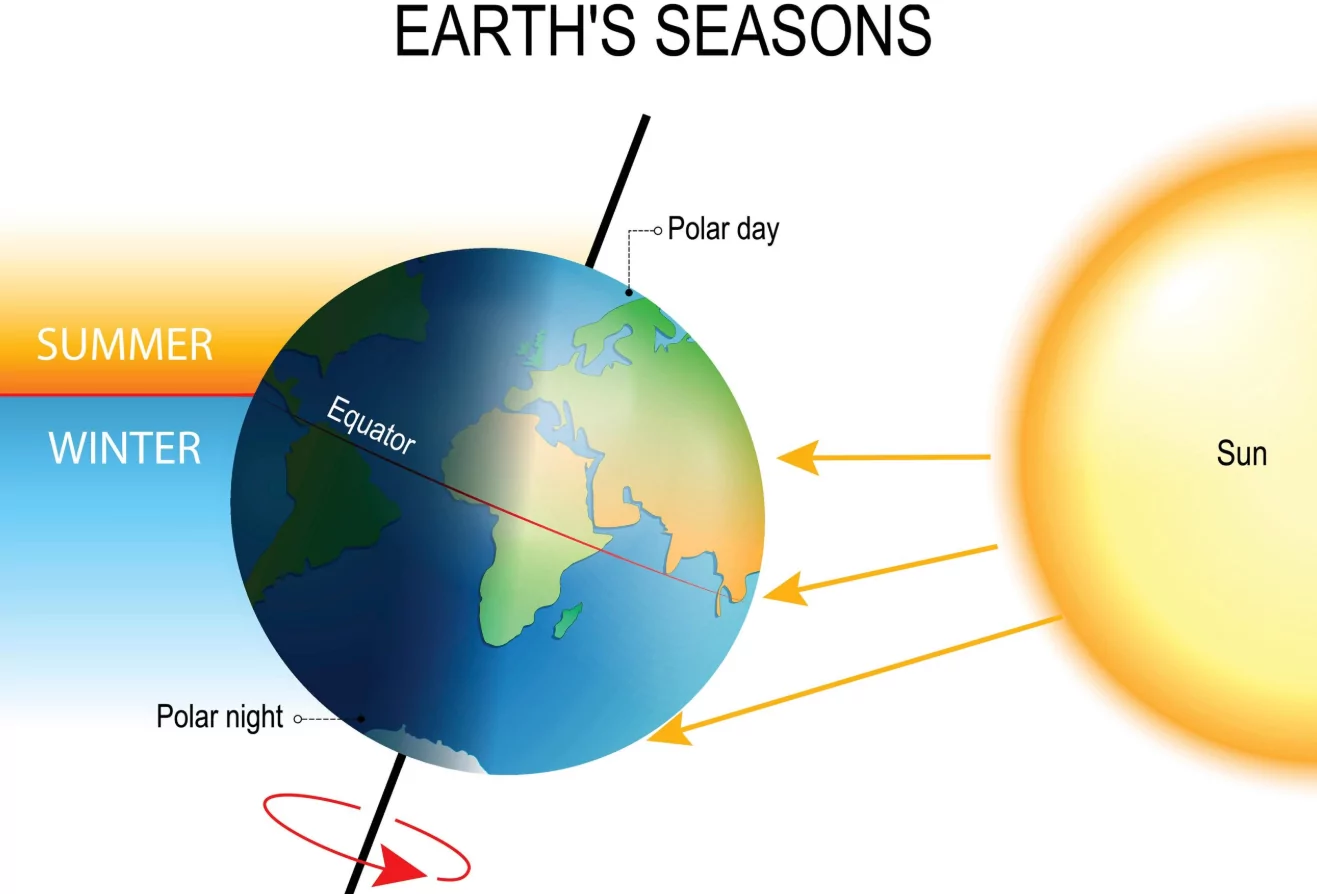
While annual seasons are predictable, their intensity and duration over tens of thousands of years are governed by the Milankovitch Cycles , a series of complex orbital changes. This is a crucial, though long-term, fact about seasonal planning for climate scientists and geologists.
- Obliquity (Axial Tilt): This changes the severity of the seasons. When the tilt is greater (up to $24.5^{\circ}$), seasons are more extreme. When the tilt is lesser (down to $22.1^{\circ}$), seasons are milder.
- Eccentricity (Orbit Shape): The shape of Earth’s orbit shifts from nearly circular to elliptical over 100,000-year cycles. This influences the total solar energy received annually.
- Precession (Axis Wobble): The direction of the axial tilt changes over 26,000 years, determining which season occurs when the Earth is closest to the sun.
Understanding these cycles helps scientists place current climate anomalies within a geological context , informing long-range governmental and infrastructural seasonal planning strategies.
Phenology and the “Fake” Spring
For agriculture and pest control, calendars are secondary to phenology —the timing of biological events. One little-known but major planning challenge is the phenomenon of the “Fake Spring.”
- The Risk to Crops: A “Fake Spring” occurs when a short, unseasonably warm period triggers plants to bud and bloom early. If this is followed by a predictable but late frost (a killing frost ), the crops are destroyed. For farmers, accurate phenological forecasting (often based on predicting Growing Degree Days or GDD, a measure of heat accumulation) is more valuable than any calendar date.
- Public Health Impact: The early start of the pollen season, due to warmer winters, requires public health officials and pharmaceutical companies to adjust their seasonal planning for the demand for allergy medications and related medical resources, often months ahead of the traditional calendar start of Spring.
The Financial Planning Impact of “January Effect”
In finance, seasonal planning isn’t about weather; it’s about predictable psychological and tax-driven behaviors. The “January Effect” is a well-documented, lesser-known seasonal anomaly in the stock market.
- How it Works: It refers to a persistent pattern where stock prices, particularly those of small-cap companies, tend to rise significantly more in January than in other months.
- The Planning Factor: This seasonal spike is often attributed to tax-loss harvesting , where investors sell stocks in December to realize losses (for tax deductions) and then repurchase those or similar stocks in January, driving up demand and prices. Investment firms must plan their yearly strategies around this January spike.
- The “Halloween Indicator”: A related phenomenon is the strategy to “Sell in May and Go Away,” suggesting that stock market returns are statistically lower between May and October than they are between November and April. This non-astronomical, non-weather-related seasonal pattern dictates billions in investment planning.
The Hidden Seasonality of Cyber Attacks
For cybersecurity and IT operations, seasonal planning is essential for predicting workforce behavior. A lesser-known fact is the pronounced seasonal fluctuation in cyber-attack vulnerability and success rates.
- The Holiday Peak: Attacks, particularly phishing and ransomware, often peak during major holiday periods (late November and December). Attackers exploit the high volume of promotional emails, increased reliance on e-commerce, and the fact that corporate IT and security teams are operating on minimal staff.
- Summer Slump: Conversely, many organizations experience a slight seasonal decrease in attack effectiveness during mid-summer months when employees are on vacation and system usage is generally lower. Cyber planning thus includes seasonally adjusted staffing levels and heightened defense protocols during known vulnerability windows.
The Deep Connection: Seasonality and Sleep Science
Even human physiology is subject to seasonal planning, specifically concerning sleep. Research shows that our sleep patterns subtly change with the seasons, a fact often overlooked in corporate and educational scheduling.
- Circadian Rhythm Shift: The changing duration of daylight significantly impacts the production of melatonin , the sleep hormone. Studies indicate that humans naturally exhibit later sleep onset and earlier wake times in summer months, and the reverse in winter.
- Impact on Productivity: This biological shift suggests that peak cognitive productivity and alertness may also shift seasonally. Seasonal planning in education (semester start times) and business (flexible work hours) could be optimized by aligning with these natural human seasonal rhythms.
Conclusion: The Perpetual Cycle of Complexity
Seasonal planning is a profound discipline that goes far beyond buying umbrellas in April or Christmas lights in November. It is a sophisticated, data-driven endeavor that integrates astronomical constants, unpredictable climate volatility, human psychology, and market dynamics.
These lesser-known facts—from the arbitrary but useful meteorological calendar to the tax-driven rhythms of Wall Street and the biological clock shifts of the human body—demonstrate that effective seasonal planning requires not just a calendar, but a holistic scientific and statistical approach to the cyclical nature of our world.