Seasonal planning is a complex dance between historical data, predictive analytics, and real-world execution. While successful seasonal strategies can lead to massive revenue spikes and operational efficiencies, common pitfalls can result in disastrous stockouts, excessive inventory costs, and missed market opportunities. Avoiding these mistakes requires a shift from relying solely on instinct to implementing a rigorous, data-driven methodology. This article outlines the most critical mistakes businesses and planners make and provides actionable advice on how to navigate the inherent volatility of seasonal cycles.
Relying Solely on Last Year’s Data (The Historical Trap)
One of the most frequent and costly errors in seasonal planning is treating the previous year’s performance as a guaranteed template for the current year. While historical data forms the baseline, blind reliance on it ignores key mitigating factors.
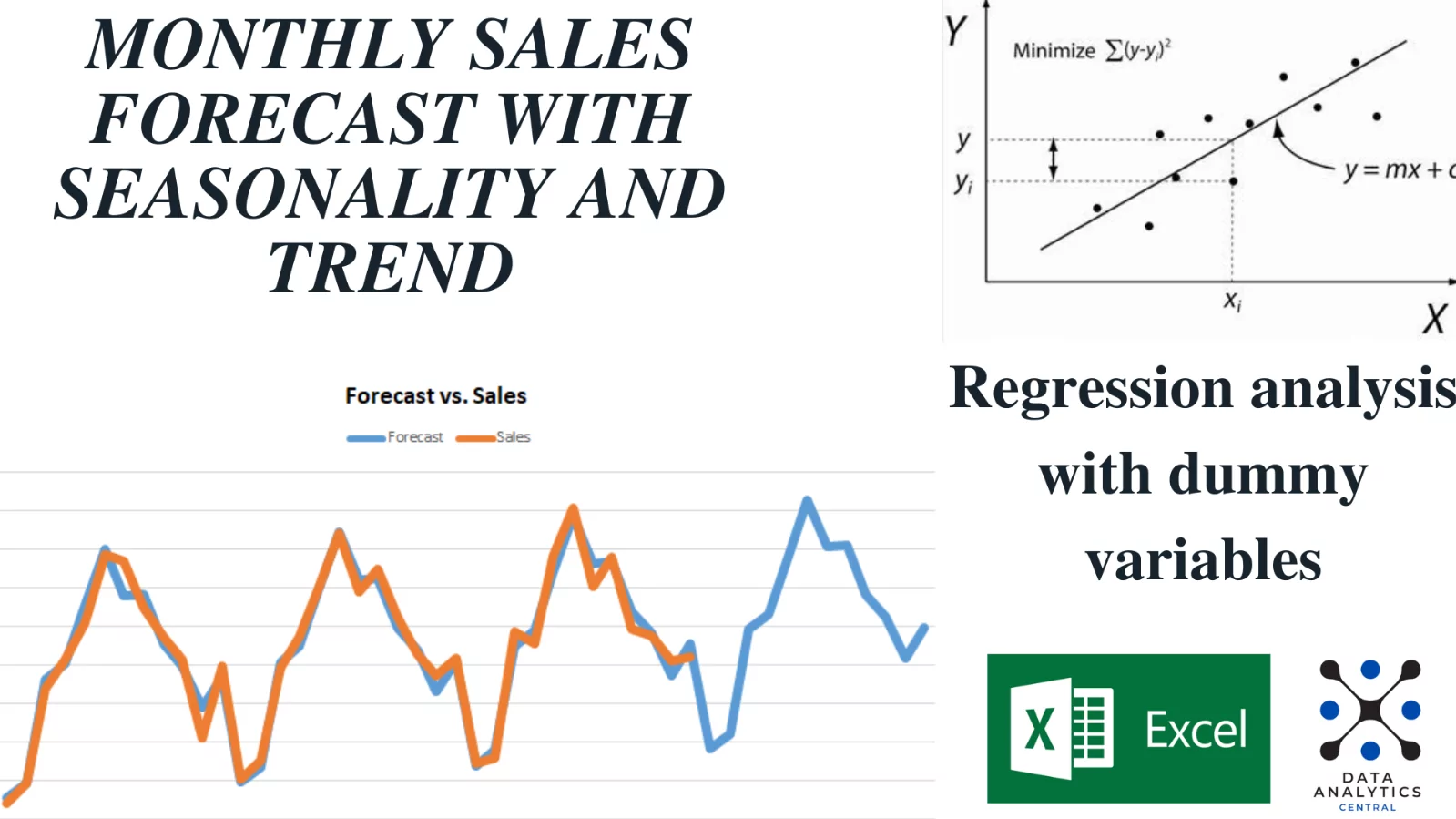
- Ignoring External Variables: The previous year might have included anomalous events—a major competitor closing down, a localized disaster, or an unseasonable heatwave. A proper planning model must integrate external regressors (e.g., promotional activity, macroeconomic changes, or local events) to adjust the historical base.
- The “Lumpy Demand” Problem: Simply averaging the prior year’s sales smooths out critical fluctuations. Instead of calculating a flat average, utilize time series decomposition models (like SARIMA) that accurately isolate the true seasonal component, trend, and residual noise.
- Solution: Apply a base-rate adjustment to historical figures. Analyze year-over-year growth (trend) and remove any obvious non-recurring events before using the data as your foundation.
Underestimating Lead Times and Supply Chain Rigidity
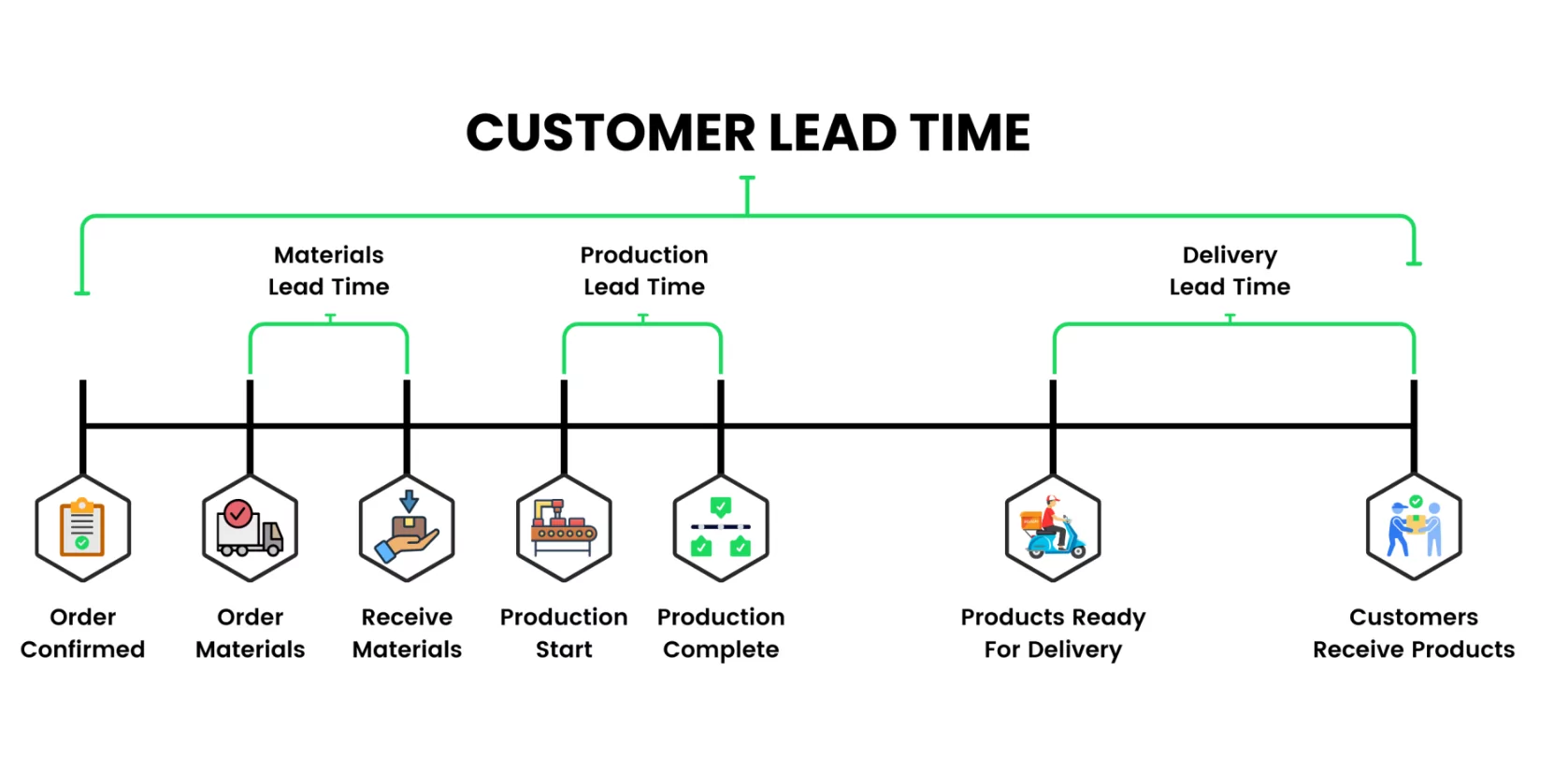
The time lag between placing an order with a supplier and receiving the finished goods is often underestimated, leading to panic orders or, worse, late arrivals for peak season.
- The Long Tail of Production: For goods sourced internationally, the true lead time includes manufacturing, quality control, shipping (often 4-8 weeks by sea), customs clearance, and local transportation. A delay in any single step can render inventory unusable for the critical peak sales window.
- Failing to Account for Global Seasonal Spikes: Ordering seasonal goods from regions like Asia must account for local holidays, such as the Chinese New Year (Lunar New Year), which can halt production and shipping for weeks, significantly extending lead times during the critical Q1 and Q2 planning period.
- Solution: Implement a critical path analysis for seasonal inventory. Calculate the Demand Forecast Date (the date you need the goods in-store) and back-calculate every step, using a safety buffer for unpredictable delays.
Ignoring Climate Volatility and Micro-Weather
While weather forecasting is a component of planning, many businesses fail to integrate weather data with the granularity needed for seasonal decision-making.
- Macro vs. Micro Forecasts: Using a general regional forecast is insufficient. Demand for items like snow shovels or air conditioners is highly localized. Planners must use micro-weather data —forecasts specific to distribution hubs or store locations—to optimize inventory stocking.
- Underestimating Climate Change Impact: Relying on the “average” start date of a season is increasingly risky due to climate change. Seasons are becoming shorter, more intense, and starting earlier or later. This requires planners to use dynamic forecasting models that weigh recent weather patterns more heavily than decades-old averages.
- Solution: Link inventory triggers directly to temperature thresholds (e.g., automatically dispatching winter stock when the 14-day average forecast drops below $5^{\circ}$C) rather than fixed calendar dates.
Siloed Planning (The Departmental Divide)
Effective seasonal planning requires cross-functional collaboration. A major mistake is allowing departments to plan in isolation.
- Marketing vs. Inventory: Marketing may plan an aggressive promotional launch for a product, but if Inventory and Supply Chain teams were not informed, they may not have ramped up production, leading to immediate stockouts and customer disappointment.
- Finance vs. Operations: Finance may impose rigid budget constraints based on non-seasonal models, preventing Operations from securing the necessary safety stock buffer or paying premiums for faster shipping during peak season.
- Solution: Implement a Sales and Operations Planning (S&OP) process. This monthly meeting structure forces collaboration, aligning the demand forecast (Marketing), supply plan (Operations), and financial goals (Finance) into one unified seasonal strategy.
Failing to Plan for the Post-Season Cycle
Most focus is placed on the peak season, but poor planning for the *end* of the season can erode profits significantly.
- The Markdown Trap: Excess seasonal inventory must be discounted sharply to clear space for the next cycle. Planning mistakes that result in massive overstock (e.g., buying too much swimwear in a cooler summer) directly turn profit into loss through heavy markdowns.
- Ignoring Residual Demand: Conversely, demand doesn’t vanish immediately after the astronomical or meteorological season ends. Smart planning includes a phased wind-down with smaller, strategically discounted inventory to capture late-season buyers without overcommitting.
- Solution: Pre-plan the Exit Strategy . Determine the maximum acceptable mark-down percentage and set firm inventory clearance deadlines to prevent holding obsolete stock until the following year. Use predictive modeling to determine the optimal final sell-through rate.
Conclusion: The Path to Predictive Mastery
Seasonal planning is an ongoing challenge defined by external variables and internal coordination. The transition from reactive planning (ordering based on last year’s gut feeling) to predictive mastery (using integrated data and cross-functional processes) is crucial for competitive advantage.
By avoiding the common mistakes—the historical trap, lead time underestimation, granular weather ignorance, siloed departments, and post-season neglect—organizations can transform their seasonal volatility into predictable profit, ensuring the right product is available at the right time, every time.