2026 Wedding Planning Calendar: Your Complete Guide to Staying Organized
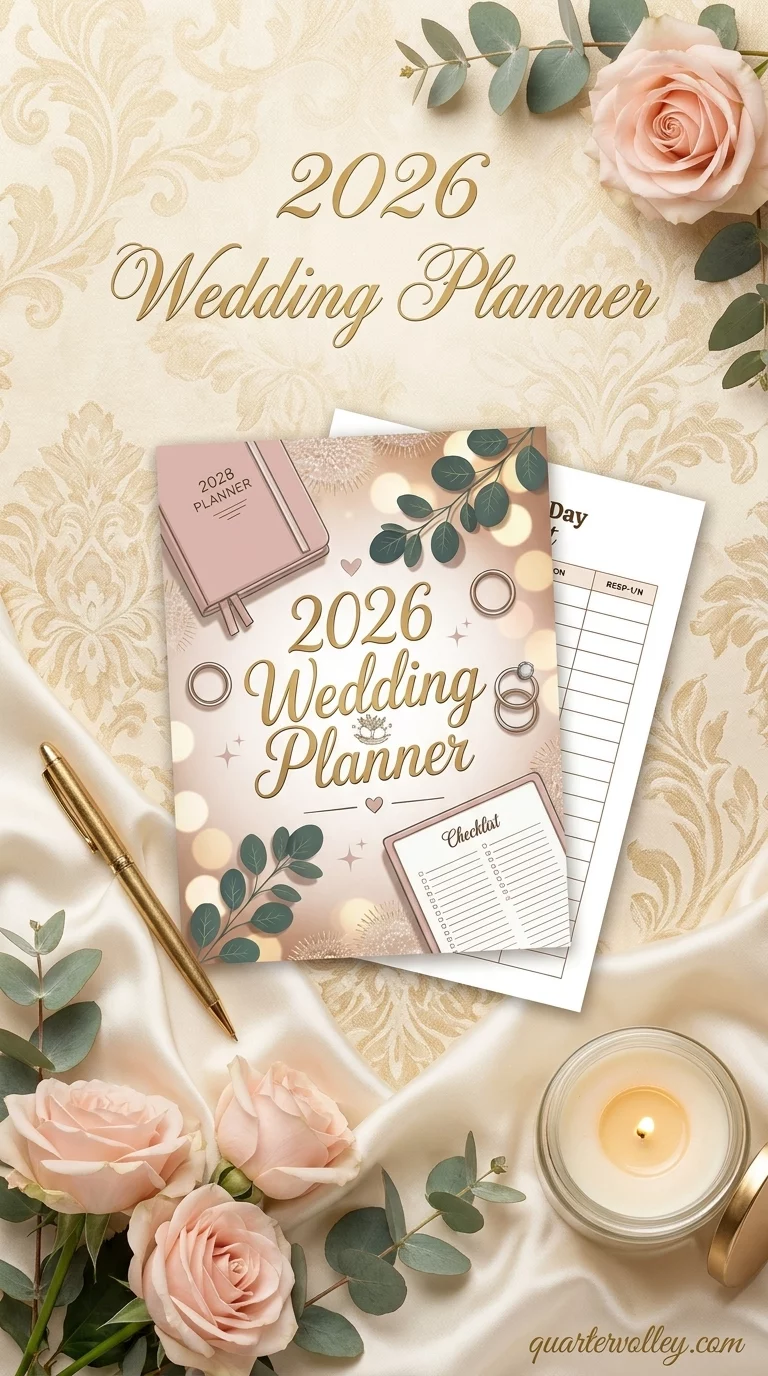
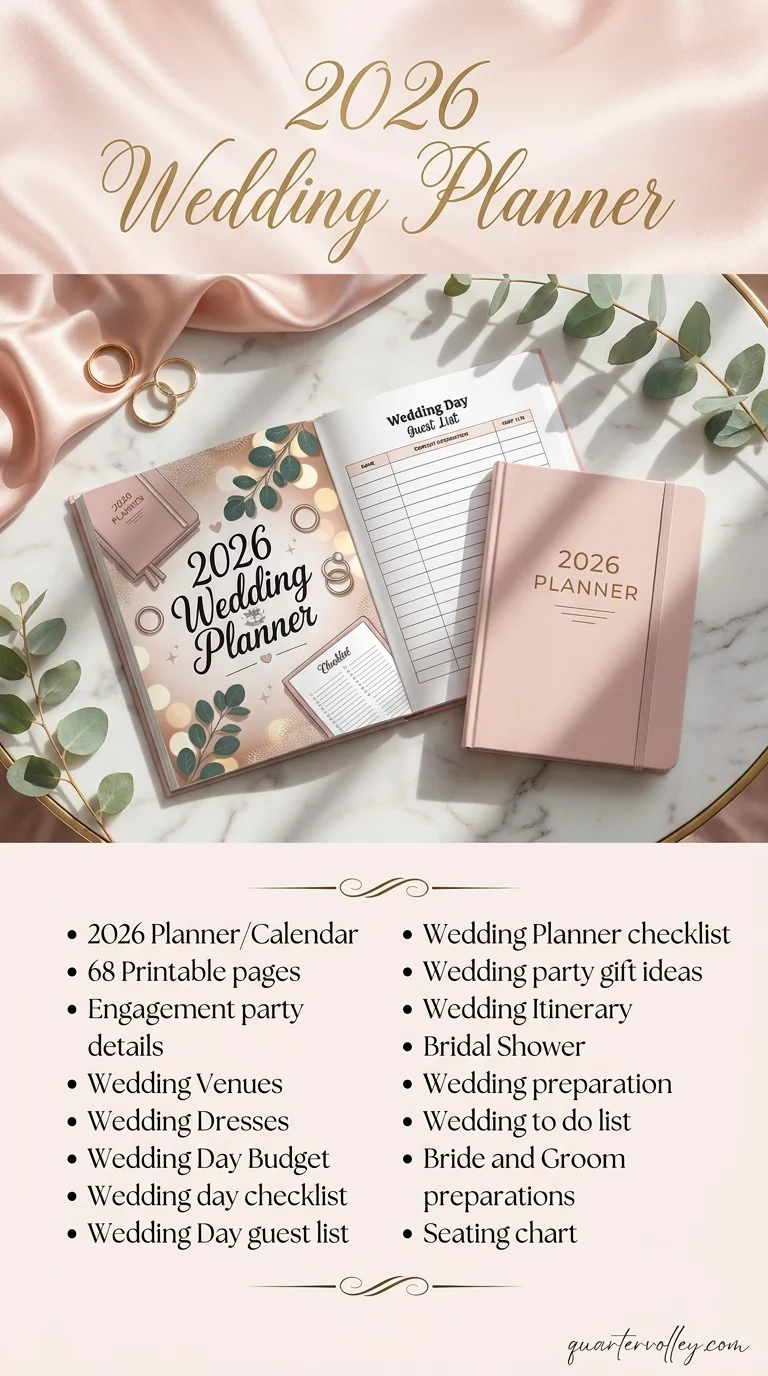
Planning a wedding is one of the most exciting experiences in life, but it can also be overwhelming without a clear plan. From selecting a venue and hiring vendors to sending invitations and organizing the reception, there are countless details to manage. A 2026 Wedding Planning Calendar helps couples stay organized, track important deadlines, and ensure that nothing is overlooked during the planning process.
Whether you’re planning a large celebration or an intimate ceremony, having a structured wedding checklist and timeline can reduce stress and make the journey more enjoyable. This comprehensive guide will walk you through a complete wedding planning calendar for 2026, helping you stay on schedule from engagement to wedding day.
Why Use a Wedding Planning Calendar?
A wedding calendar serves as a roadmap for the months leading up to your big day.
Benefits include:
- Organized planning timeline
- Reduced stress and last-minute tasks
- Better budget management
- Easier vendor coordination
- Improved communication with family and wedding parties
- Clear progress tracking
By breaking wedding planning into manageable stages, couples can focus on enjoying the experience rather than feeling overwhelmed.
12 Months Before the Wedding
The first stage of planning focuses on major decisions that establish the foundation of your wedding.
Set Your Budget
Determine:
- Total wedding budget
- Family contributions
- Savings goals
- Spending priorities
Having a realistic budget helps guide every other planning decision.
Create a Guest List
Estimate the number of guests you plan to invite.
Guest count affects:
- Venue size
- Catering costs
- Invitation expenses
- Seating arrangements
Choose Your Wedding Date
Consider:
- Preferred season
- Venue availability
- Family schedules
- Holiday conflicts
Popular wedding dates often book far in advance.
Book Your Venue
The venue is typically the most important reservation.
Secure:
- Ceremony location
- Reception venue
- Backup options for outdoor events
Booking early increases your chances of securing your preferred location.
9–11 Months Before the Wedding
Once the venue is confirmed, focus on securing key vendors.
Hire Major Vendors
Book:
- Photographer
- Videographer
- Caterer
- Wedding planner
- Entertainment or DJ
- Florist
The best vendors often have limited availability.
Choose Your Wedding Theme
Decide on:
- Color palette
- Style and décor
- Formality level
- Seasonal elements
A cohesive theme simplifies future decisions.
Begin Dress Shopping
Wedding gowns may require several fittings and alterations.
Start shopping early to ensure sufficient time for customization.
6–8 Months Before the Wedding
This stage involves refining details and communicating with guests.
Order Invitations
Finalize:
- Invitation design
- RSVP cards
- Guest addresses
- Wedding website information
Allow enough time for printing and mailing.
Book Accommodations
Reserve room blocks for:
- Out-of-town guests
- Wedding party members
- Family members
Early reservations often secure better rates.
Select Wedding Attire
Choose attire for:
- Groom
- Bridesmaids
- Groomsmen
- Flower girl
- Ring bearer
Coordinating outfits early prevents last-minute issues.
Plan the Honeymoon
Research and book:
- Flights
- Hotels
- Travel insurance
- Activities
Popular destinations may require advanced reservations.
4–5 Months Before the Wedding
As the wedding approaches, focus on personalization and logistics.
Finalize Vendor Details
Confirm:
- Menu selections
- Floral arrangements
- Photography schedule
- Music preferences
Communicate expectations clearly with each vendor.
Schedule Engagement Photos
Engagement sessions can be used for:
- Save-the-date cards
- Wedding websites
- Social media announcements
They also help couples become comfortable with their photographer.
Purchase Wedding Rings
Allow time for:
- Sizing adjustments
- Engraving
- Insurance arrangements
Wedding bands are an important milestone in the planning process.
2–3 Months Before the Wedding
Attention now shifts toward final preparations.
Send Invitations
Mail invitations approximately 8–12 weeks before the wedding.
Track RSVPs carefully to finalize guest counts.
Create Seating Arrangements
Begin organizing:
- Reception seating chart
- Family tables
- Special accommodations
Planning early allows flexibility as RSVPs arrive.
Schedule Final Dress Fittings
Ensure wedding attire fits properly and any alterations are completed.
Obtain Marriage License Information
Research local requirements, including:
- Application deadlines
- Identification requirements
- Waiting periods
Every jurisdiction has different regulations.
1 Month Before the Wedding
The final month is focused on confirmation and preparation.
Confirm All Vendors
Verify:
- Arrival times
- Contact information
- Payment schedules
- Service details
Written confirmations help avoid misunderstandings.
Prepare Wedding Day Timeline
Include:
- Hair and makeup schedule
- Photography sessions
- Ceremony timing
- Reception activities
Share the timeline with vendors and the wedding party.
Write Vows
If writing personal vows, complete them several weeks before the ceremony.
This allows time for revisions and practice.
1 Week Before the Wedding
Stay calm and focus on final details.
Pack Essential Items
Prepare:
- Wedding attire
- Rings
- Marriage license
- Emergency kit
- Vendor contact list
Having everything organized reduces stress.
Rehearsal and Rehearsal Dinner
Review ceremony logistics with:
- Wedding party
- Officiant
- Family members
A smooth rehearsal helps ensure confidence on the wedding day.
Wedding Day Checklist
Morning Tasks
- Eat a healthy breakfast
- Stay hydrated
- Follow the timeline
- Delegate responsibilities
During the Ceremony
- Focus on the moment
- Enjoy the experience
- Trust your vendors and support team
Reception
- Greet guests
- Take photos
- Celebrate with family and friends
Most importantly, take time to enjoy the day you spent months planning.
Printable Wedding Planning Calendar Benefits
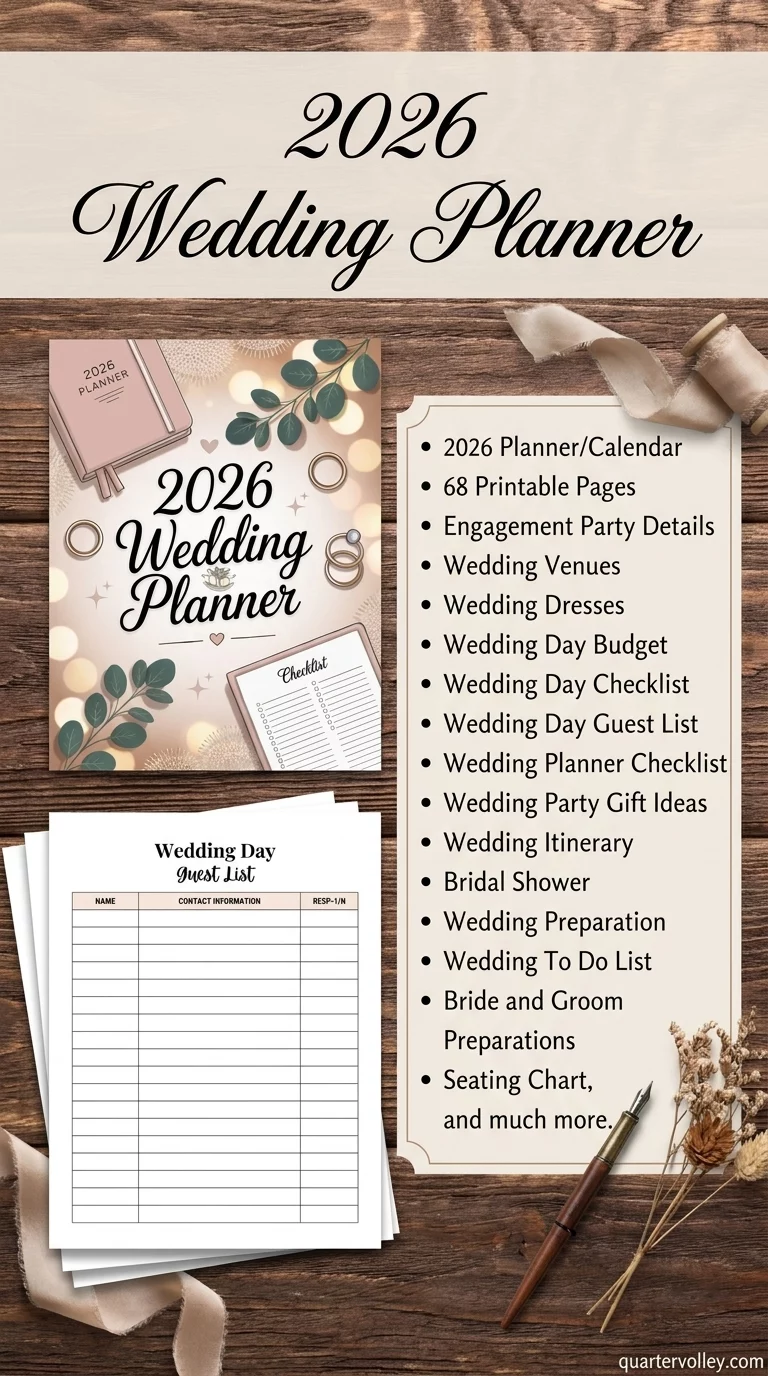
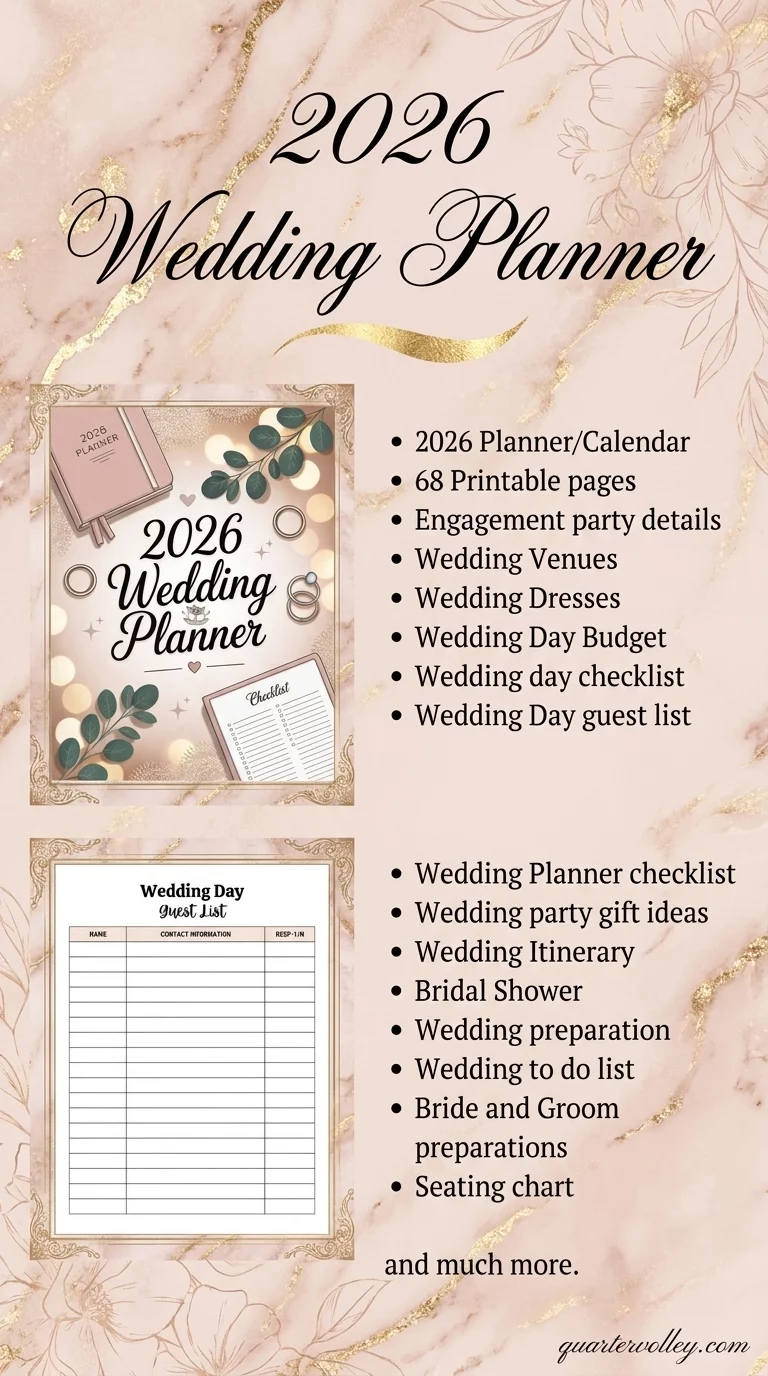
Many couples use printable wedding planners because they offer:
- Easy progress tracking
- Monthly planning sections
- Budget worksheets
- Vendor contact pages
- Checklist organization
Printable calendars can be kept in a wedding binder for convenient access throughout the planning process.
Digital Wedding Planning Tools for 2026
In addition to printable calendars, digital tools can streamline planning.
Popular features include:
- Shared planning access
- Budget tracking
- Vendor management
- Guest list organization
- Automated reminders
Many couples combine digital tools with printable checklists for maximum efficiency.
Tips for a Stress-Free Wedding Planning Experience
Stay Flexible
Unexpected changes are normal during wedding planning.
Delegate Tasks
Allow trusted friends, family members, or planners to assist with responsibilities.
Prioritize What Matters Most
Focus on the elements that are most meaningful to you as a couple.
Enjoy the Process
Wedding planning is part of the journey toward marriage. Celebrate milestones and enjoy the experience together.
Conclusion
A 2026 Wedding Planning Calendar is one of the most valuable tools for creating a successful and memorable wedding. By following a structured timeline and using a comprehensive checklist, couples can stay organized, reduce stress, and confidently prepare for their special day.
From setting a budget and booking vendors to managing invitations and finalizing wedding-day details, a clear planning calendar ensures every task is completed on time. Start your wedding planning journey with a detailed 2026 checklist and enjoy a smoother, more enjoyable path to saying “I do.”