Federal holidays in the United States do more than just provide days off for government employees; they act as powerful economic catalysts that ripple through every sector of the American economy. In 2026, the US calendar features 11 officially recognized federal holidays. For business owners, these dates represent a complex balancing act. On one hand, holidays can trigger massive consumer spending surges; on the other, they require intricate scheduling, modified operating hours, and strategic payroll management. Understanding the 2026 holiday calendar is essential for maintaining smooth business operations and maximizing revenue opportunities throughout the year.
The Complete 2026 US Federal Holiday Calendar
To effectively plan your business year, you must first map out the exact dates of the 11 federal holidays. While federal offices, courts, and many banks close on these days, private businesses have the flexibility to determine their own operating hours and paid time off (PTO) policies.
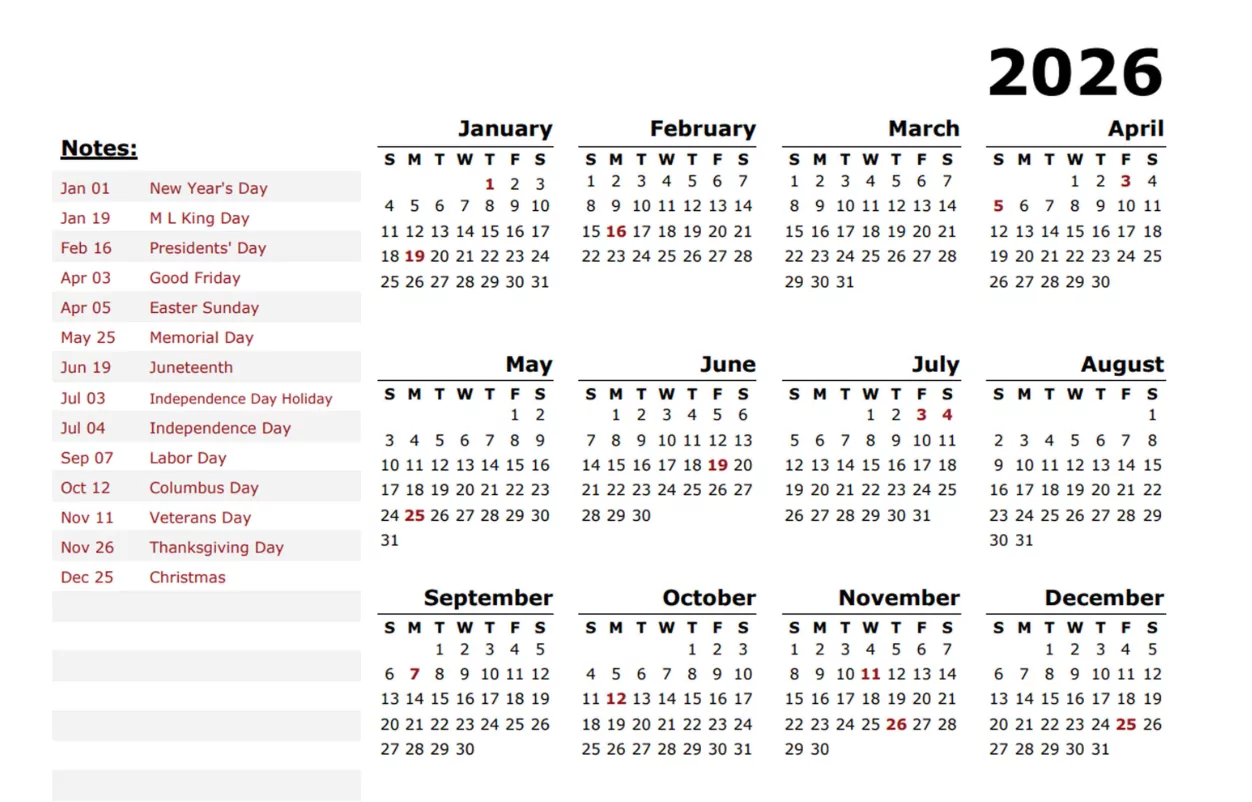
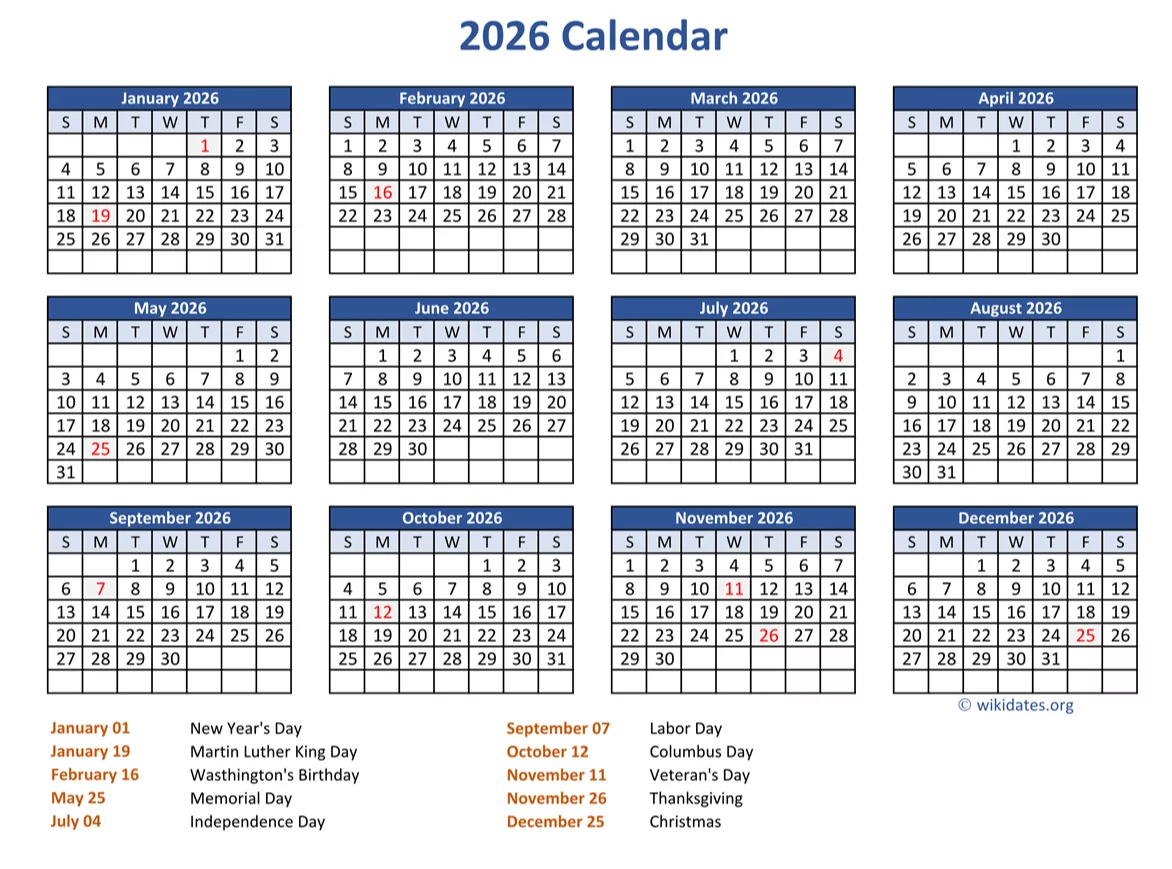
The 2026 federal holiday schedule is as follows:
- New Year’s Day: Thursday, January 1
- Martin Luther King Jr. Day: Monday, January 19
- Presidents’ Day: Monday, February 16
- Memorial Day: Monday, May 25
- Juneteenth National Independence Day: Friday, June 19
- Independence Day: Saturday, July 4 (Observed on Friday, July 3)
- Labor Day: Monday, September 7
- Columbus Day / Indigenous Peoples’ Day: Monday, October 12
- Veterans Day: Wednesday, November 11
- Thanksgiving Day: Thursday, November 26
- Christmas Day: Friday, December 25
The “Observed Holiday” Rule
A critical scheduling factor for businesses in 2026 is the “observed holiday” rule. When a federal holiday falls on a weekend, it is officially observed on the closest weekday. In 2026, Independence Day (July 4) falls on a Saturday. Consequently, federal offices and financial markets will be closed on Friday, July 3. Businesses must account for this shift, as employees will likely expect the Friday off, extending the holiday weekend and impacting regular Friday operations.
Impact on Different Business Sectors
The operational impact of a federal holiday varies drastically depending on the industry. A holiday that causes a complete shutdown in one sector may represent the busiest sales day of the year in another.
Retail and Hospitality: The Revenue Surge
For the retail and hospitality sectors, federal holidays are significant revenue drivers. These government-designated observances create predictable surge periods where consumer spending can increase by 15% to 25% compared to typical weekdays. Long weekends—such as Memorial Day (May 23–25) and Labor Day (September 5–7)—trigger massive travel, dining, and shopping events. Retailers must carefully balance aggressive sales targets with operational sustainability. Successful businesses anticipate these surges by scheduling 40% to 50% more floor staff and customer service representatives 30 to 45 days in advance to prevent customer service failures.
B2B and Corporate Services: The Productivity Dip
Conversely, Business-to-Business (B2B) companies and corporate services often experience a severe drop in productivity around federal holidays. Because financial markets and banks are closed, finalizing contracts, processing major payments, and scheduling client meetings become virtually impossible. Furthermore, high-impact periods like Thanksgiving week (November 25–27) and the Christmas-to-New Year’s stretch (December 23–January 2) generate high volumes of employee PTO requests. B2B leaders must schedule critical project deliverables with ample buffer time before these periods to avoid missed deadlines.
Strategic Workforce Scheduling
Managing employee schedules around federal holidays is one of the most challenging aspects of business operations. A poorly managed holiday schedule can lead to burnout, decreased morale, and compromised customer service.
Managing High-Volume PTO Requests
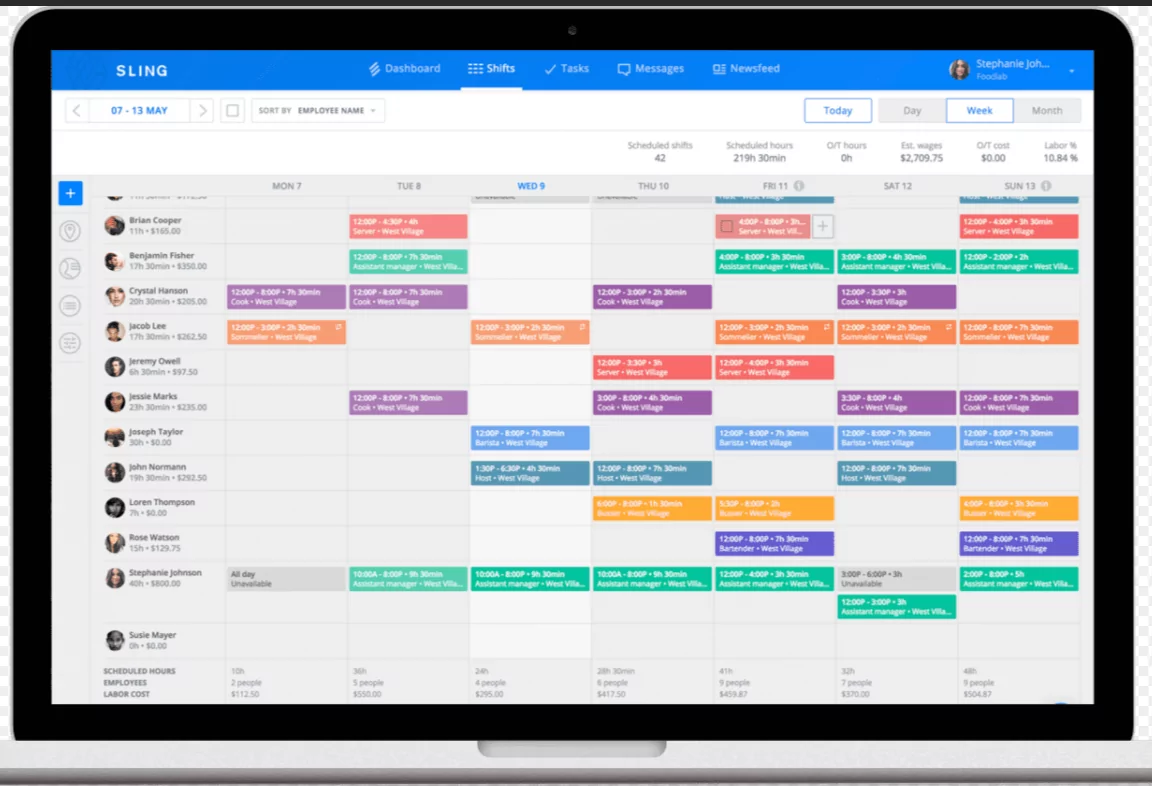
In 2026, several holidays create highly desirable long weekends. For instance, because Thanksgiving falls on a Thursday (November 26), many employees will request Friday, November 27 off to create a four-day weekend. To maintain operational continuity, businesses must establish clear PTO policies early. Best practices include publishing schedules well in advance, setting request deadlines 30 to 60 days prior to the holiday, and utilizing workforce management tools to track accruals fairly.
Implementing Fair Shift Rotations
For businesses that operate 24/7—such as healthcare facilities, logistics companies, or large-scale retail—closing for a holiday is not an option. These businesses must rely on “skeleton staffing,” operating with the absolute minimum number of employees required to function safely. To maintain morale, managers should implement fair shift rotations, ensuring that no single employee is forced to work every major holiday throughout the year.
Financial and Payroll Considerations
Unlike federal employees, workers in the private sector are not legally guaranteed paid time off on federal holidays. However, offering paid holidays is a standard benefit used to attract and retain top talent. Business owners must decide their holiday pay structure early in the fiscal year. Will you pay employees time-and-a-half or double-time if they work on Labor Day? If an employee’s regular day off falls on an observed holiday like Friday, July 3, do they receive a “floating holiday” to use later? Clearly communicating these payroll policies prevents disputes and ensures accurate budget forecasting.
Conclusion
The 2026 federal holiday calendar presents both significant logistical challenges and immense revenue opportunities. By understanding the dates, anticipating the July 3 observance of Independence Day, and implementing strategic staffing and payroll policies, business leaders can navigate these disruptions smoothly. Proactive planning transforms federal holidays from operational headaches into strategic advantages, ensuring your business remains competitive, profitable, and supportive of its workforce throughout the year.