Efficient meal planning is a cornerstone for a healthy lifestyle, budget-conscious shopping, and reducing food waste. The 2025 Meal Planning Calendar paired with a monthly food prep guide offers a structured approach to organizing meals, grocery lists, and cooking schedules. This comprehensive guide breaks down how to use a meal planning calendar throughout 2025 to simplify cooking, save time, and improve nutrition for individuals and families.
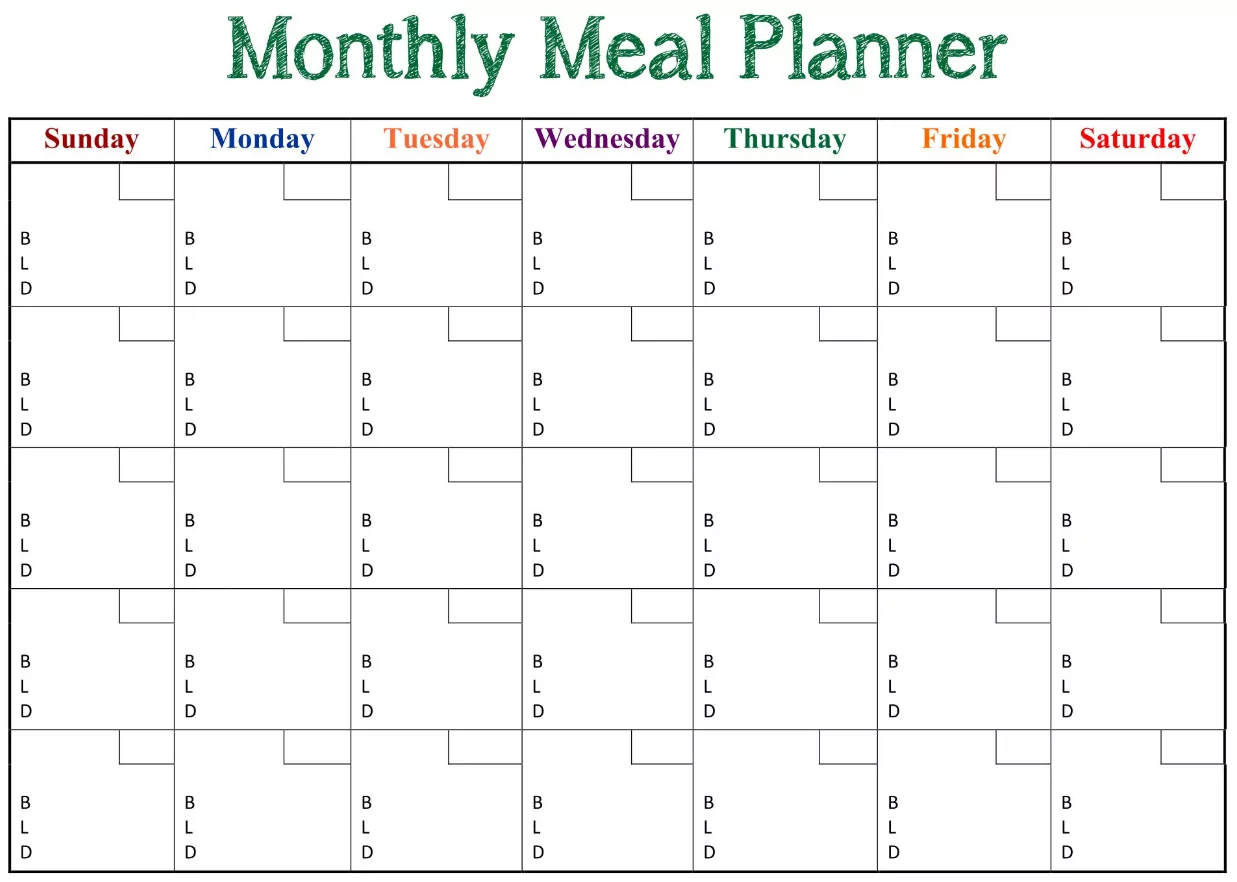
Meal planning calendars bring clarity and routine to weekly and monthly food prep. By dividing 2025 into manageable meal planning segments aligned with seasonal produce, holidays, and special dietary goals, users can maximize variety, optimize budgets, and minimize last-minute frantic meal decisions. The monthly food prep guide included provides actionable tips, seasonal ingredient highlights, and quick recipes to help you stay on track.
Why Use a Meal Planning Calendar?
Meal planning calendars help reduce the stress of daily meal choices, support healthy eating habits, and minimize impulsive takeout orders. Organizing meals in calendar format improves grocery shopping efficiency through consolidated lists based on planned menus, reducing food waste and excess spending. Tracking meals as planned events creates accountability and helps users stick to nutritional goals.
Research shows that consistent meal planning leads to better diet quality and lower BMI. By visually structuring meal prep over days and weeks, the calendar fosters mindful eating and balanced nutrition, essential for 2025’s increasing health awareness trends.
How to Set Up Your 2025 Meal Planning Calendar
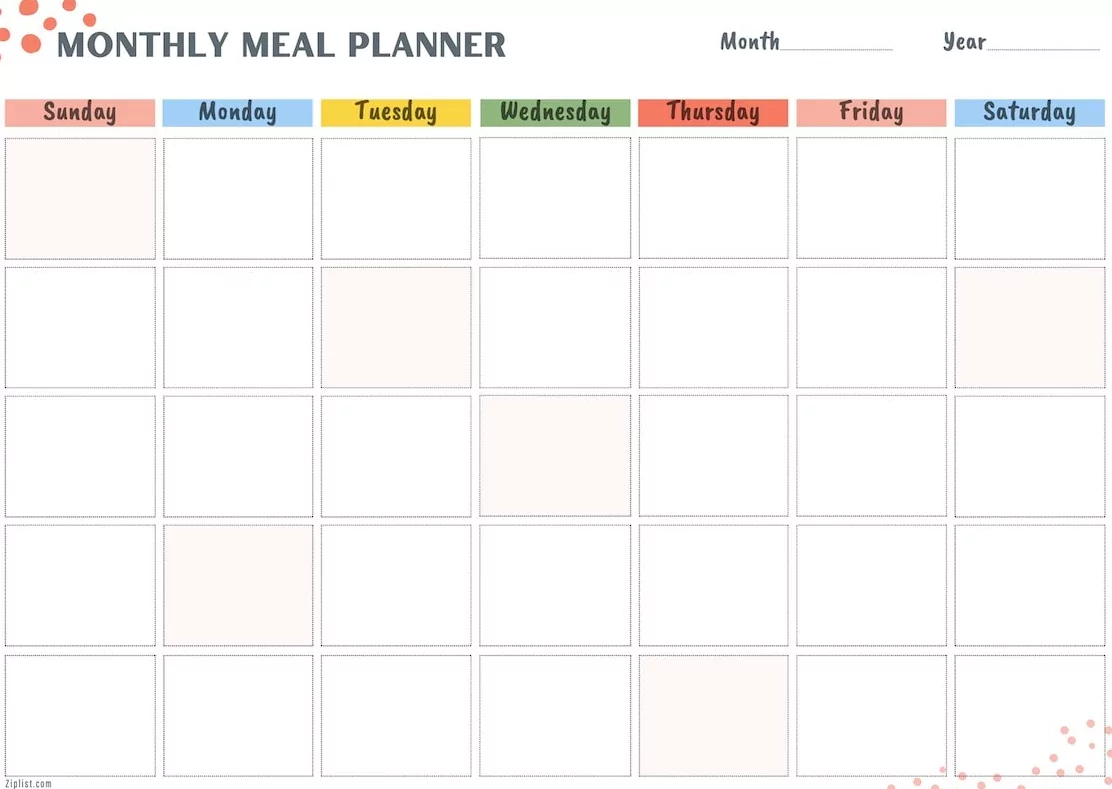
Select a calendar system suitable for your lifestyle: printable paper calendars, digital apps like Google Calendar or Notion, or specialized meal planning apps such as Mealime or Paprika. For printing, choose monthly calendar templates with ample space for notes in each day’s box. Digital calendars benefit from recurring event features and reminder notifications.
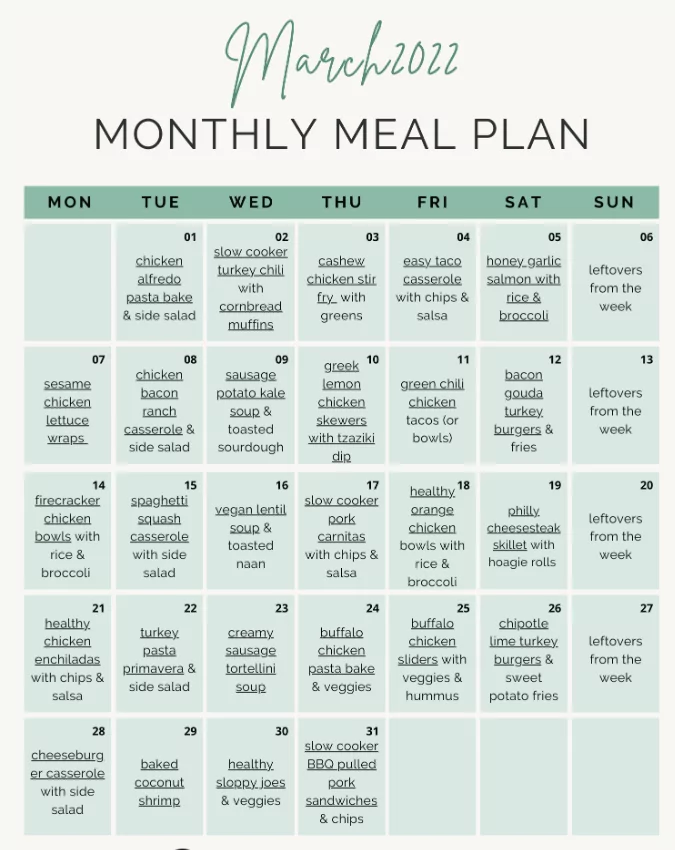
Customize your calendar to meal categories: Breakfast (B), Lunch (L), Dinner (D), and Snacks (S). Use abbreviations or color codes to differentiate meals at a glance. Incorporate preparation days, grocery shopping days, and freezer prep days as recurring events or color-coded blocks.
Incorporating Seasonal and Dietary Goals
September through November focuses on hearty, warming meals utilizing autumn produce like squash, pumpkins, and root vegetables. Spring months encourage fresh salads, smoothies, and light meals with seasonal berries and greens. Incorporate any dietary restrictions—vegetarian, keto, gluten-free—by adjusting recipe selections in your planning.
Monthly Food Prep Guide
This guide offers general tips and specialty ideas per month to align your meal planning calendar with seasonal availability and holidays.
January – Clean Slate
- Focus on detox-friendly meals with leafy greens, citrus, and whole grains.
- Batch cook soups and stews for easy reheating during cold months.
- Incorporate healthy habits: schedule weekly batch cooking on Sundays.
February – Cozy Comfort
- Plan slow cooker recipes and casseroles for convenient warmth.
- Utilize hearty winter vegetables: potatoes, carrots, and onions.
- Celebrate Valentine’s Day with themed healthy treats: fruit parfaits, dark chocolate snacks.
March – Spring Refresh
- Focus on fresh herbs and early spring vegetables like asparagus and peas.
- Include light protein options: grilled chicken, fish, tofu.
- Prep lunchboxes for spring outings with balanced meals and snacks.
April – Veggie Boost
- Incorporate garden-fresh vegetables as they come in season.
- Plan plant-based meals for Flexitarian goals.
- Spring cleaning for fridge and pantry—schedule food inventory days.
May – Fresh & Fast
- Quick one-pot meals for busy schedules; plan outdoor grills and barbecues.
- Focus on seasonal fruits like strawberries and cherries.
- Prepare freezer-friendly breakfasts for warming summer mornings.
June – Summer Prep
- Plan salads, cold soups, and smoothies to beat the heat.
- Schedule farmer’s market visits and fresh corn or tomato dishes.
- Include hydration reminders on calendar for summer health.
July – Light Eating
- Incorporate grilled vegetables and lean proteins in planning.
- Plan picnic lunches and healthy July 4th celebrations.
- Batch prep no-bake desserts for easy summer treats.
August – Back to Routine
- Plan slow cooker options for after-school meals.
- Incorporate late summer produce: zucchini, bell peppers.
- Schedule weekly menu reviews before school semester starts.
September – Root Transition
- Shift to roasted root vegetables and whole grain preparations.
- Plan meal prep days incorporating batch-cooked grains.
- Include hearty breakfasts to counter shorter daylight hours.
October – Cozy Classics
- Plan soups, stews, and casseroles.
- Schedule batch baking days featuring apple and pumpkin recipes.
- Plan Halloween-themed healthy treats.
November – Holiday Preparation
- Include grocery shopping checkpoints for Thanksgiving preps.
- Plan lighter meals to balance holiday indulgence.
- Schedule freezer meals for post-holiday relaxation.
December – Festive Balance
- Plan celebratory meals around major holidays.
- Include bulk snack prep for holiday guests.
- Schedule meal prep days to avoid last-minute cooking stress.
Tips for Effective Meal Planning Calendar Use
- Set realistic goals: Begin with 3-4 planned meals per week to build habit.
- Use recurring events: Automate grocery shopping and prep days.
- Incorporate variety: Cycle proteins and vegetables weekly to avoid monotony.
- Plan for leftovers: Include planned leftover meals to save time and money.
- Track progress: Use calendar notes for recipe ratings, ingredient substitutions.
Resources for Printable and Digital Meal Planning Calendars
- Vertex42 Meal Planning Templates – customizable Excel sheets with calendar layouts.
- Canva Meal Planner Templates – visually appealing, easy-to-edit printable options.
- Smartsheet Meal Planner – interactive digital calendars and templates.
Conclusion
A well-structured 2025 meal planning calendar combined with a monthly prep guide fundamentally enhances meal consistency, nutritional quality, and budget management. Aligning meal plans with seasonal produce and holidays fosters variety and enjoyment, while calendar reminders and recurring events automate organization. Whether using printable calendars or digital planners, building meal planning into your routine improves overall wellness and saves time throughout the year.