The Mayan Calendar Explained: Meaning, History, and Secrets of Time
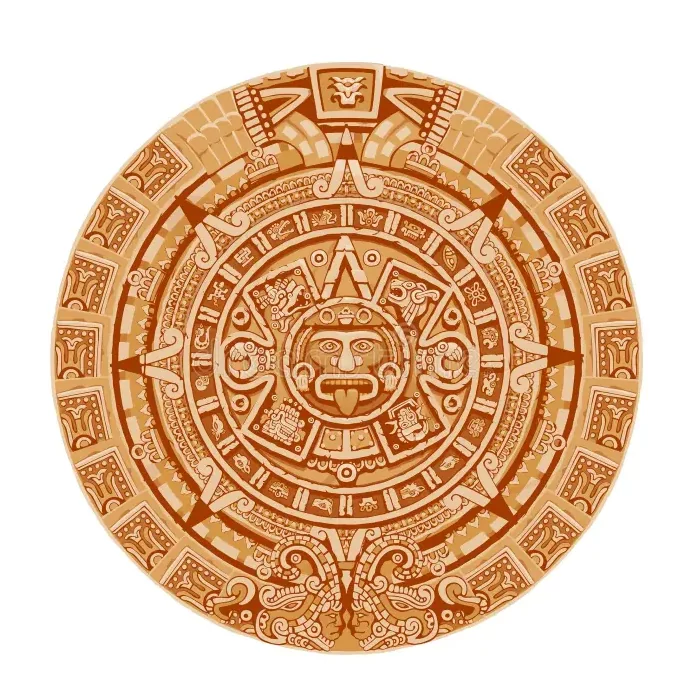
The Mayan calendar is one of the most fascinating systems of timekeeping ever created. Developed by the ancient Maya civilization of Mesoamerica, this calendar reflects their advanced understanding of astronomy, mathematics, and cosmic cycles. Far more than a way to track days, the Mayan calendar represented the Maya’s connection to the universe, nature, and spiritual time.
In this article, we’ll explore the meaning, structure, history, and mysteries behind the Mayan calendar — including why it continues to intrigue people around the world today.
- The Meaning Behind the Mayan Calendar
For the ancient Maya, time was cyclical, not linear. They believed that life, nature, and the cosmos moved in repeating cycles. This view shaped their understanding of destiny, rituals, and agriculture.
Each cycle in the Mayan calendar had spiritual significance. Specific days were thought to hold unique energies that influenced events, people’s lives, and even the will of the gods. Time was sacred — something to be observed and respected, not merely measured.
- The Structure of the Mayan Calendar System
Unlike modern calendars, the Mayan calendar isn’t a single system — it’s three calendars working together:
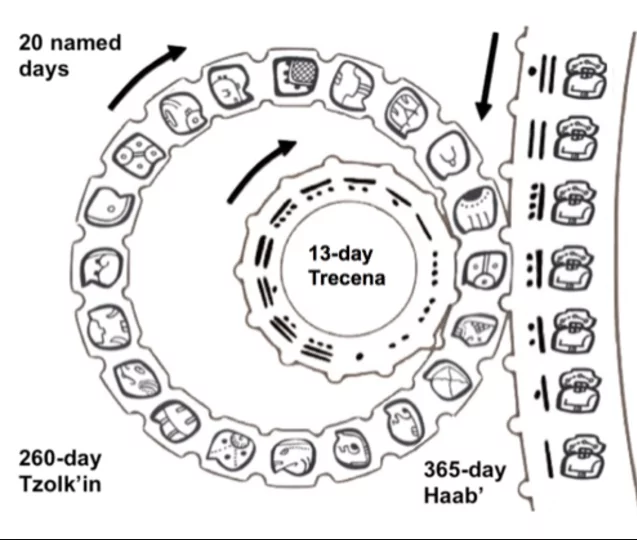
a. The Tzolk’in (Sacred Calendar)
- Length: 260 days
- Purpose: Used for spiritual and ceremonial purposes.
- The Tzolk’in consists of 20 day names and 13 numbers, creating a 260-day cycle.
Each combination had a specific symbolic meaning and was associated with deities, nature, and fate.
This cycle guided naming ceremonies, rituals, and divination — essentially serving as the spiritual heart of Mayan life.
b. The Haab’ (Solar Calendar)
- Length: 365 days
- Purpose: Agricultural and civil calendar.
- Composed of 18 months with 20 days each, plus a short 5-day month called Wayeb’, considered unlucky or dangerous.
The Haab’ helped track planting, harvesting, and seasonal changes, linking timekeeping with survival and tradition.
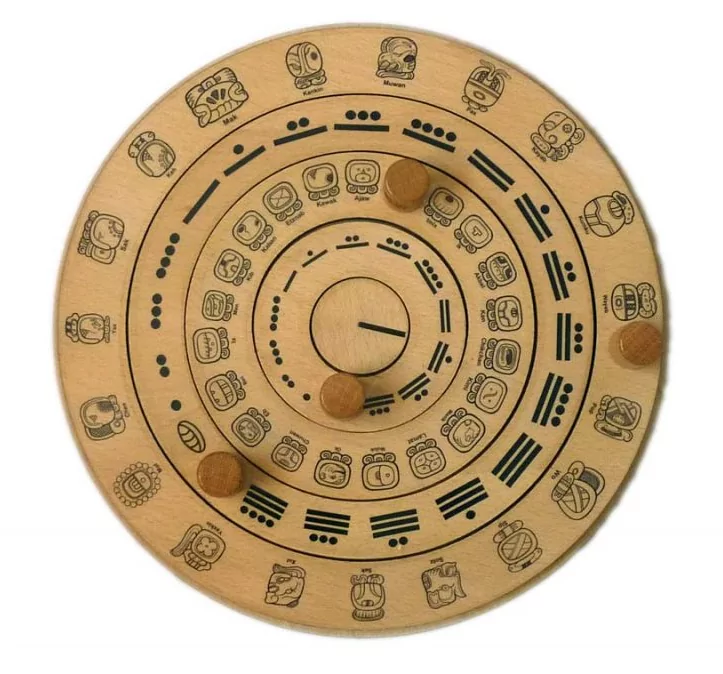
c. The Calendar Round
Cycle Length: 52 Haab’ years (about 18,980 days)
This is the period it takes for the Tzolk’in and Haab’ calendars to realign.
At the end of each 52-year cycle, the Maya performed elaborate rituals to renew the world’s energy and ensure cosmic harmony.
- The Long Count Calendar
The Long Count was used for recording historical events over long spans of time.
- It works like a continuous count of days from a mythical starting point: August 11, 3114 BCE (Gregorian calendar).
The Long Count allowed the Maya to record history precisely — from dynastic reigns to astronomical events. Each date consisted of five numbers (for example, 13.0.0.0.0), representing nested cycles of days, months, years, and larger epochs.
This is the system that inspired the “2012 phenomenon”, when some people believed the Mayan calendar predicted the end of the world on December 21, 2012. In reality, it simply marked the end of one great cycle (Baktun) and the beginning of another — a renewal, not destruction.
- Astronomy and Mathematics in the Mayan Calendar
The Maya were exceptional astronomers and mathematicians.
They:
- Calculated the solar year with remarkable accuracy (365.2420 days — nearly identical to modern calculations).
- Tracked Venus cycles, lunar phases, and eclipses centuries in advance.
- Used a base-20 (vigesimal) numerical system and invented the concept of zero independently.
Their mathematical precision allowed them to predict celestial events and integrate them into religious and agricultural cycles — bridging science and spirituality.
- The Deeper Secrets of Time in Mayan Belief
For the Maya, time was alive. Each day carried its own energy, personality, and divine influence.
Mayan priests (called Day Keepers) interpreted these energies to determine auspicious times for events such as planting, marriage, and warfare.
They believed that understanding the rhythm of time allowed humanity to live in harmony with the cosmos — a philosophy modern life could learn from.
- The Legacy of the Mayan Calendar Today
- Today, the Mayan calendar continues to inspire:
- Archaeologists seeking insight into ancient knowledge.
- Spiritual practitioners who use the Tzolk’in to explore personal energy and purpose.
- Historians and astronomers amazed by its precision and depth.
In modern Guatemala and Mexico, Maya descendants still preserve aspects of this calendar in ceremonies and community traditions, keeping this ancient system alive in the 21st century.
7. Mayan Calendar vs. Gregorian Calendar
| Feature | Mayan Calendar | Gregorian Calendar |
|---|---|---|
| Structure | 3 interlocking systems (Tzolk’in, Haab’, Long Count) | Single solar year system |
| Year Length | 260 / 365 days (depending on cycle) | 365.2425 days |
| View of Time | Cyclical | Linear |
| Spiritual Role | Deeply sacred | Primarily civil and administrative |
| Starting Point | 3114 BCE (mythical creation) | 1 CE (Christian era) |
- FAQs About the Mayan Calendar
Q1: Did the Mayan calendar predict the end of the world in 2012?
No. The 2012 date marked the end of a 5,125-year cycle — similar to reaching December 31 in our calendar. It symbolized renewal, not apocalypse.
Q2: Why is the Mayan calendar so accurate?
Because the Maya based their calculations on precise astronomical observations and advanced math — centuries ahead of their time.
Q3: Can the Mayan calendar still be used today?
Yes. Many people use it for spiritual reflection, cultural heritage, and astrology-like guidance.
Q4: What’s the difference between the Tzolk’in and Haab’?
The Tzolk’in is sacred and symbolic (260 days), while the Haab’ is solar and practical (365 days). Together, they form the Calendar Round.
The Mayan calendar is far more than a historical artifact — it’s a window into how humanity once viewed time as a living, sacred force.
Through its cycles, the Maya taught us that every ending is also a new beginning. Whether you explore it for history, spirituality, or curiosity, the Mayan calendar remains a timeless reminder that the universe moves in beautiful patterns of renewal.