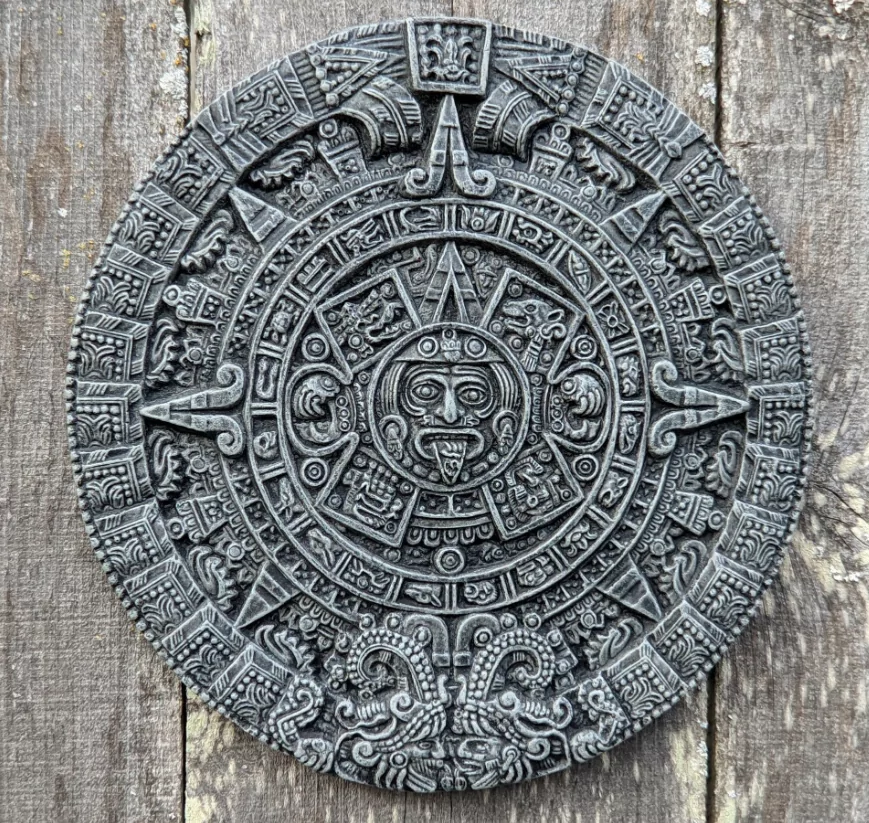
The Aztec calendar is more than a fascinating relic of the past—it’s a complex system that combined astronomy, agriculture, and spirituality. While modern planners rely on apps, to-do lists, and digital reminders, the principles of the Aztec calendar system still offer valuable lessons for time management and life organization today.
Understanding the Aztec Calendar System
The Aztec calendar was actually two systems working together:
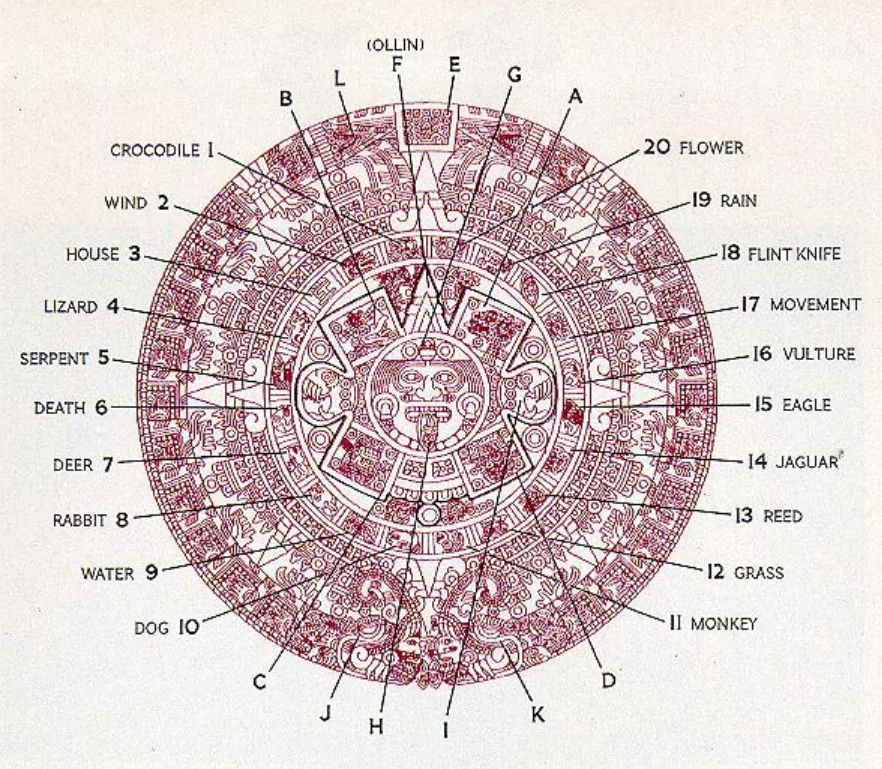
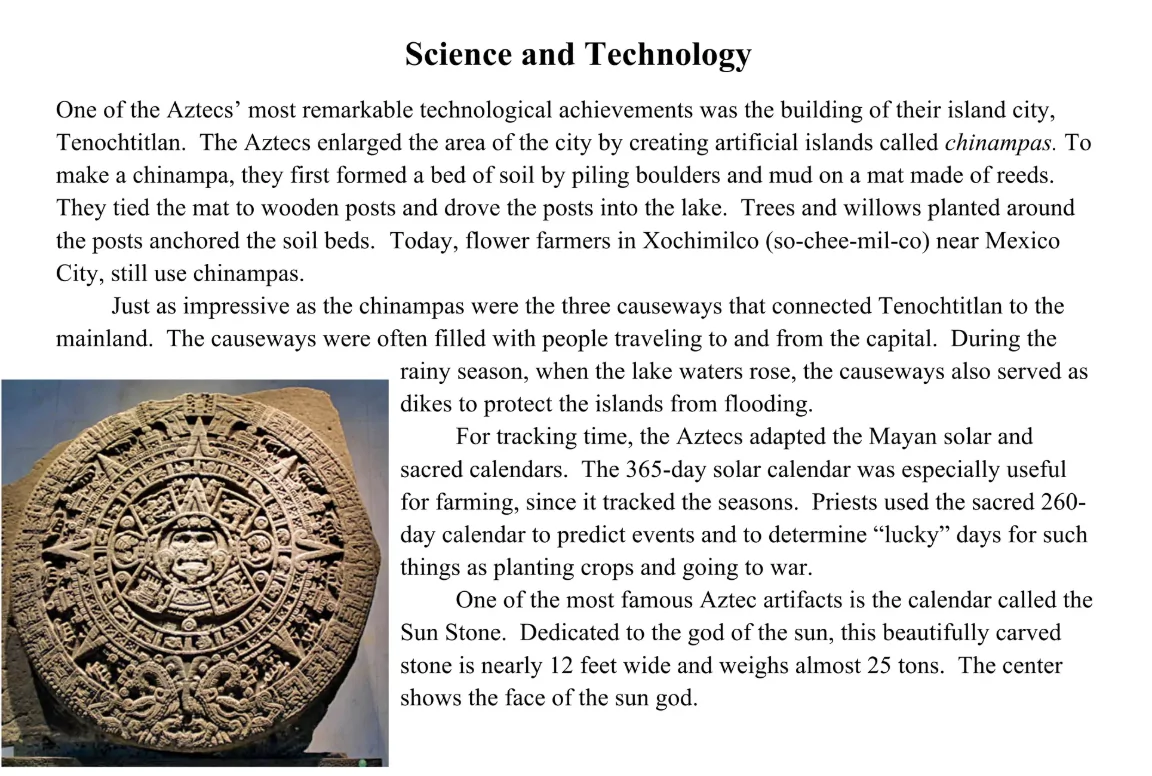
- Tonalpohualli (260-day ritual calendar): Used for spiritual guidance, ceremonies, and divination.
- Xiuhpohualli (365-day solar calendar): Aligned with the agricultural year, guiding farming and seasonal events.
Together, they reflected balance between the cosmic, natural, and human cycles.
Lesson 1: Aligning Tasks with Natural Cycles
Modern life often disconnects us from nature’s rhythm, but the Aztecs showed the importance of timing. Just as they planted and harvested according to the solar calendar, modern planners can align productivity with daily energy cycles, seasons, or even moon phases.
Takeaway: Schedule demanding tasks when your energy is highest, and plan restorative breaks during natural low-energy times.
Lesson 2: Integrating Spiritual and Practical Life
The ritual calendar emphasized the spiritual side of time. Modern planners can take inspiration by blending personal goals with work schedules, ensuring both practical tasks and inner growth are prioritized.
Takeaway: Don’t just plan meetings and deadlines—include meditation, journaling, or wellness routines in your planner.
Lesson 3: Long-Term Cycles and Short-Term Focus
The Aztecs worked with cycles of days, years, and even centuries, showing a deep awareness of both short and long timelines. Today, most planners focus on daily or weekly tasks, but balancing them with monthly and yearly goals creates a more holistic view.
Takeaway: Use your planner to track daily tasks, but also create space for quarterly and yearly reflections.
Lesson 4: Symbolism as Motivation
Every day in the Aztec ritual calendar had a symbolic meaning. This added depth and purpose to their daily lives. Similarly, adding symbolic or motivational elements—such as quotes, affirmations, or themes—can give modern planners a deeper sense of meaning.
Takeaway: Give your weeks or months themes (e.g., “growth,” “focus,” “balance”) to inspire consistency.
Applying Aztec Principles to Modern Planning
- Color-coding: Just as symbols differentiated days, modern planners can use colors for categories (work, personal, health).
- Cyclical reviews: Build a review system—daily, weekly, monthly—mirroring the layered cycles of the Aztec calendar.
- Holistic approach: Balance productivity with self-care, much like the Aztecs balanced practical and spiritual needs.
While separated by centuries, the Aztec calendar system offers timeless wisdom for modern planning. By honoring cycles, integrating meaning into our schedules, and balancing short-term tasks with long-term vision, today’s planners can create a more mindful and effective approach to organizing life.
FAQ: What Modern Planners Can Learn from the Aztec Calendar System
- What was the purpose of the Aztec calendar?
The Aztec calendar served as both a practical agricultural guide and a spiritual system for rituals, showing balance between daily life and cosmic order. - How is the Aztec calendar relevant to modern planning?
It reminds us to align schedules with natural cycles, balance work with personal growth, and think about both short-term and long-term goals. - What is the difference between Tonalpohualli and Xiuhpohualli?
- Tonalpohualli: A 260-day ritual calendar used for spiritual guidance.
- Xiuhpohualli: A 365-day solar calendar linked to farming and seasonal events.
- How can I apply Aztec principles to my daily planner?
You can use cyclical reviews, add symbolic themes, integrate wellness routines, and align tasks with your natural energy levels. - Is the Aztec calendar still used today?
While not used in daily life anymore, the Aztec calendar continues to inspire cultural traditions, art, and modern planning strategies.
Comparison Table: Aztec Calendar vs Modern Planner
| Aspect | Aztec Calendar System | Modern Planner Approach | Key Lesson for Today |
|---|---|---|---|
| Structure | Two calendars: ritual (260 days) & solar (365 days) | Daily, weekly, monthly layouts | Combine short-term tasks with long-term goals |
| Purpose | Blend of agriculture, rituals, and cosmic cycles | Task management, scheduling, productivity tracking | Balance practical needs with personal growth |
| Symbolism | Each day had symbolic meaning tied to gods & nature | Minimal symbolism, often purely functional | Add motivation with themes, affirmations, or visuals |
| Time Perspective | Multi-layered: days, years, centuries | Focus on immediate deadlines & monthly targets | Incorporate long-term reflections in planning |
| Integration with Life | Unified spiritual, natural, and practical aspects | Usually separated (work vs personal vs wellness) | Adopt a holistic planner that includes all life areas |