The Mayan Calendar has fascinated historians, astronomers, and spiritual seekers for centuries. Built by one of the most advanced civilizations in ancient Mesoamerica, it represents more than just a way to measure days—it’s a window into how the Mayans understood time, balance, and cosmic order. As we enter 2025, many people are once again curious about what the Mayan Calendar 2025 reveals about cycles of time and human connection.
What Is the Mayan Calendar?
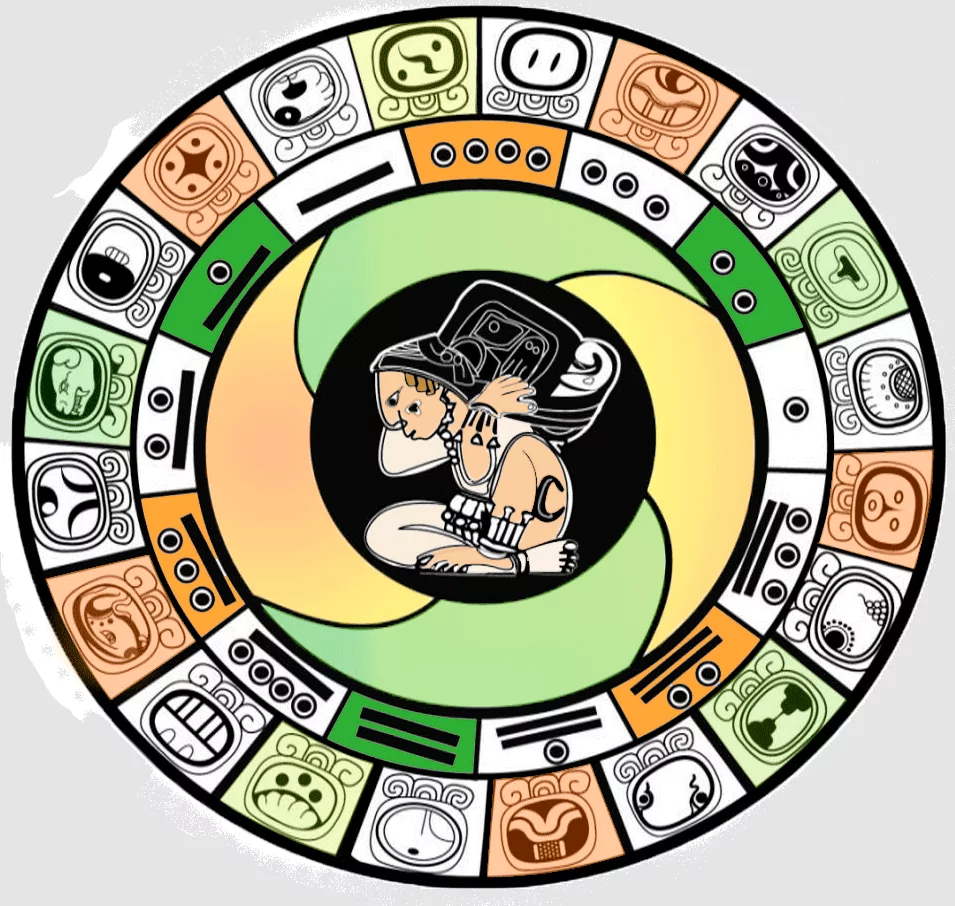
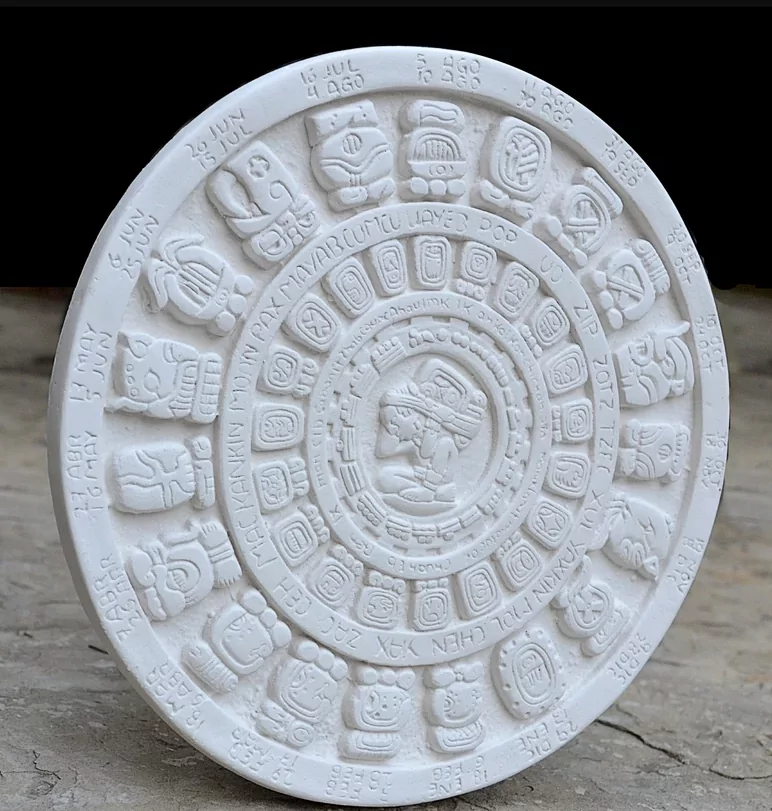
The Mayan Calendar isn’t a single calendar but a complex system combining three interlocking cycles. These cycles allowed the Mayans to track agricultural seasons, religious rituals, and celestial events with astonishing accuracy.
- Tzolk’in: A 260-day sacred cycle representing the spiritual rhythm of life, used for ceremonies and divination.
- Haab’: A 365-day solar calendar used for everyday life, similar to the modern Gregorian calendar.
- Long Count: A linear count of days that tracks longer historical and cosmic cycles, often associated with prophecies and world ages.
These systems worked together, creating a multidimensional understanding of time—not just as numbers, but as living energy.
How the Mayan Calendar Works in 2025
According to the Long Count system, the Mayan Calendar continues its cycle beyond 2012—contrary to popular myths about “the end of the world.” In 2025, we are still moving through a larger cycle known as the 13th Baktun, which began in December 2012.
Each baktun lasts about 394 years, symbolizing transformation and renewal. The ongoing cycle is thought to represent the dawn of a new era of human awareness, technology, and spiritual balance. In this context, the Mayan Calendar 2025 reflects our collective journey toward harmony between ancient wisdom and modern progress.
The Deeper Meaning of the Cycles of Time
To the Maya, time wasn’t linear—it was cyclical. Each cycle carried energy that influenced human behavior, nature, and consciousness. Days had personalities, numbers carried spiritual meaning, and every date held symbolic power.
For example:
- 13 symbolizes completion and transformation.
- 20 represents wholeness and unity.
- 4 stands for stability and the four directions of creation.
Understanding these energies helped the Maya align their lives with the natural and cosmic order—something that modern society can still learn from today.
Lessons from the Mayan Calendar for the Modern World
The Mayan Calendar isn’t just a historical artifact—it’s a timeless guide to balance and awareness. Here are a few insights that still apply in 2025:
- Live in cycles, not chaos: Recognize patterns in your life and embrace natural rhythms instead of constant urgency.
- Honor nature’s timing: Plan and rest according to the seasons, the sun, and your body’s energy.
- Seek balance: The Mayans valued equilibrium—between work and rest, spirit and matter, technology and tradition.
- Reflect on time’s meaning: Time is not just a measurement; it’s a reflection of your journey, growth, and connection with others.
In a fast-paced digital world, revisiting the Mayan Calendar 2025 reminds us to slow down and reconnect with deeper patterns of life.
Mayan Calendar Dates and Astronomy
The Mayans were expert astronomers. They observed planetary movements, eclipses, and solstices, integrating them into their calendar system. Their understanding of Venus, for instance, helped time agricultural planting, rituals, and even wars.
In 2025, many of these same astronomical alignments continue to inspire modern stargazers and spiritual communities, showing that ancient knowledge still holds practical and philosophical value.
Common Myths About the Mayan Calendar
1. Did the Mayan Calendar predict the end of the world?
No. The cycle that ended in 2012 marked the close of one baktun and the beginning of another—a renewal, not destruction.
2. Does the calendar still matter today?
Yes! It provides valuable insight into how humans can live in harmony with cosmic and natural cycles, emphasizing mindfulness and sustainability.
3. Can I use the Mayan Calendar personally?
Absolutely. Many people use modern adaptations of the Tzolk’in to reflect daily energies, intentions, or meditative themes.
Why the Mayan Calendar Still Inspires Us
In 2025, as the world becomes more digitized and time feels faster than ever, the Mayan Calendar offers a refreshing reminder: time is sacred, cyclical, and meaningful. It invites us to find peace in the flow of change rather than resist it.
By decoding the Mayan Calendar 2025, we reconnect with an ancient understanding that still holds truth—the universe moves in patterns, and when we move with it, life feels more aligned.
The Mayan Calendar 2025 isn’t about predicting the future—it’s about understanding the timeless dance of creation and renewal. Its wisdom reminds us that time isn’t something to chase; it’s something to live with awareness and purpose.
As we look forward in 2025 and beyond, may the ancient cycles of the Mayan calendar inspire us to live more consciously, in harmony with the rhythms of the Earth and the universe.